
The iconic fashion brand, Stella McCartney has turned its attention to a new and innovative plant-based material in a ground-breaking new partnership to boost biodiversity, build climate resilience, and repair damaged wetlands.
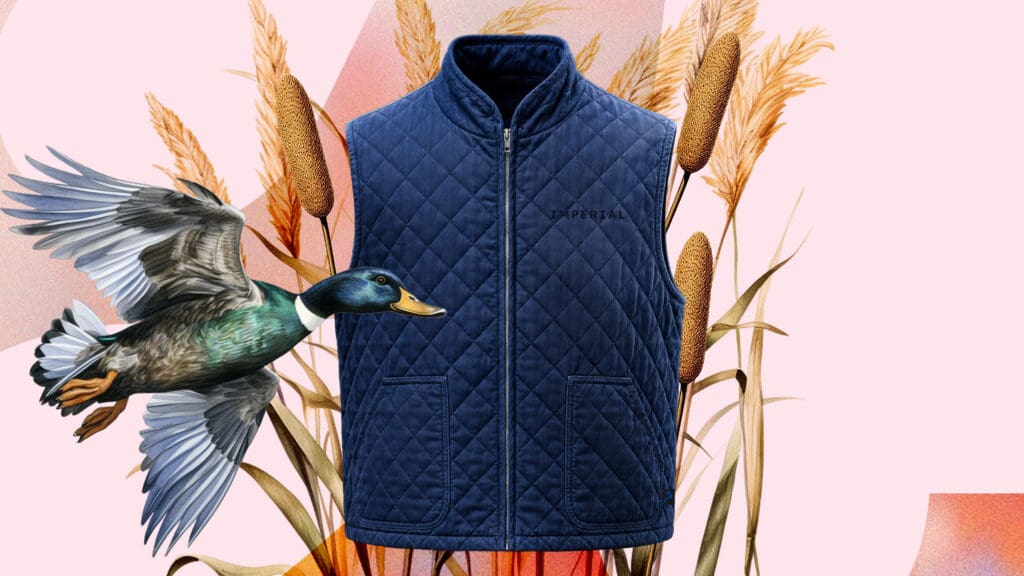
Developed in partnership with the material innovation specialist, Ponda Bio, BioPuff is a revolutionary plant-based and feather-free insulation made from typhalatifolia – otherwise known in the UK as bulrushes.
The material – described by both the fashion and its developers as lightweight, warm, puffy, and naturally water repellent – will be able to be traced from its source through to the end product. The material will make its debut in Stella McCartney’s newest range of Falabella bags currently featured in the brand’s Autumn 2024 collection.
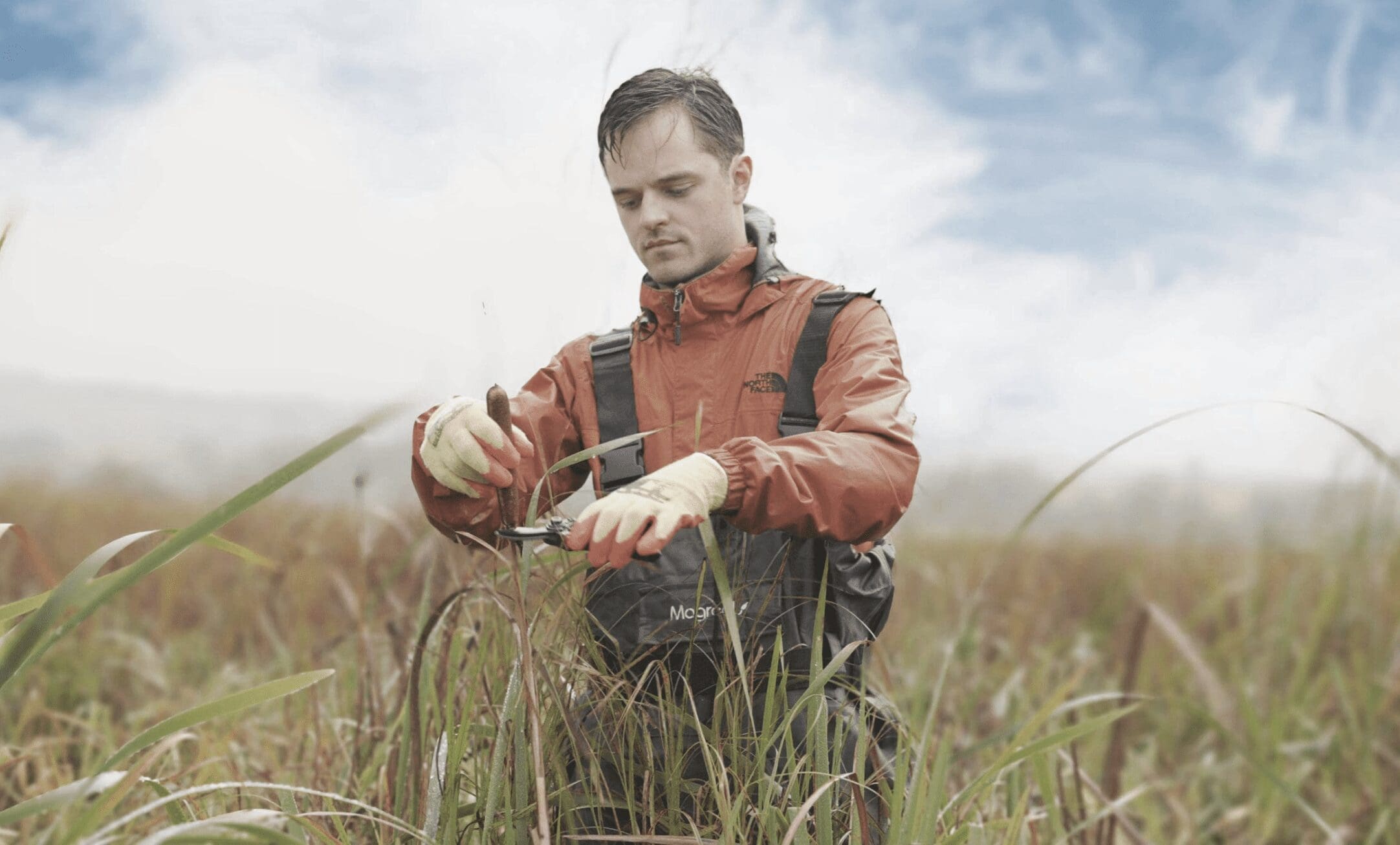
A specialist in regenerative materials, Ponda Bio works closely with farmers to cultivate typhalatifolia on damaged wetlands, embracing a sustainable form or marshfarming called paludiculture in the process. The environmental impact of such a process includes the reduction of carbon emissions, a boost for biodiversity, and increased climate resilience against droughts and flooding.
Ponda Bio is on a mission to ‘connect the regeneration of some of our most precious ecosystems to the production of responsible materials for the textile industry,’ believing – states the team via its online platform – in ‘empowering fashion brands to weave regeneration into the clothes we wear.’
Much of that regeneration comes through the practice of paludiculture (marsh farming) which includes rewetting peatlands, bogs, and fens.
“Peatlands are naturally some of the oldest and most healing environments on our planet,” reads a statement from Ponda Bio. “They’re estimated to hold over 40% of all soil carbon, twice as much as all forests in the world combined.”
Ponda therefore partners with farmers and conservation groups to regenerate carbon-emitting wetlands by cultivating bulrushes – a plant well known for its ability to help rebuild damaged wetland environments. Bulrushes grow notoriously quickly, making it a plant with the potential to sequester a lot of carbon in the process; create habitats, helping to uplift biodiversity; and provide a high-quality fibre for textile production.
“This new form of regenerative design enables us to begin having the impact we need while ensuring continuity of farmers’ livelihoods,” said the Ponda Bio team.