
Ahead of The Circular Life’s Sustainability Integration Masterclass on 25 February, sustainability leadership coach, Briony Pete, outlines the challenges people are facing in this guest blog.
POC is offering five free spaces to this Masterclass for its Membership. Click here for more details and to apply for a ticket.
By Briony Pete, founder and director, The Circular Life.
Sustainability and ESG leaders know the frustration well: You’ve got a solid strategy in place. Senior leadership has signed off. The ambition is clear. There’s even verbal buy-in from across the business.
But when it comes to turning that strategy into action across departments and decision-makers? It starts to feel like you’re wading through treacle
This is where many of my sustainability leadership coaching clients come to me: not because they lack vision or expertise, but because the integration plan is missing.
It’s not about working harder either. It’s about taking a more strategic, human-centred approach to embedding change into your organisation.
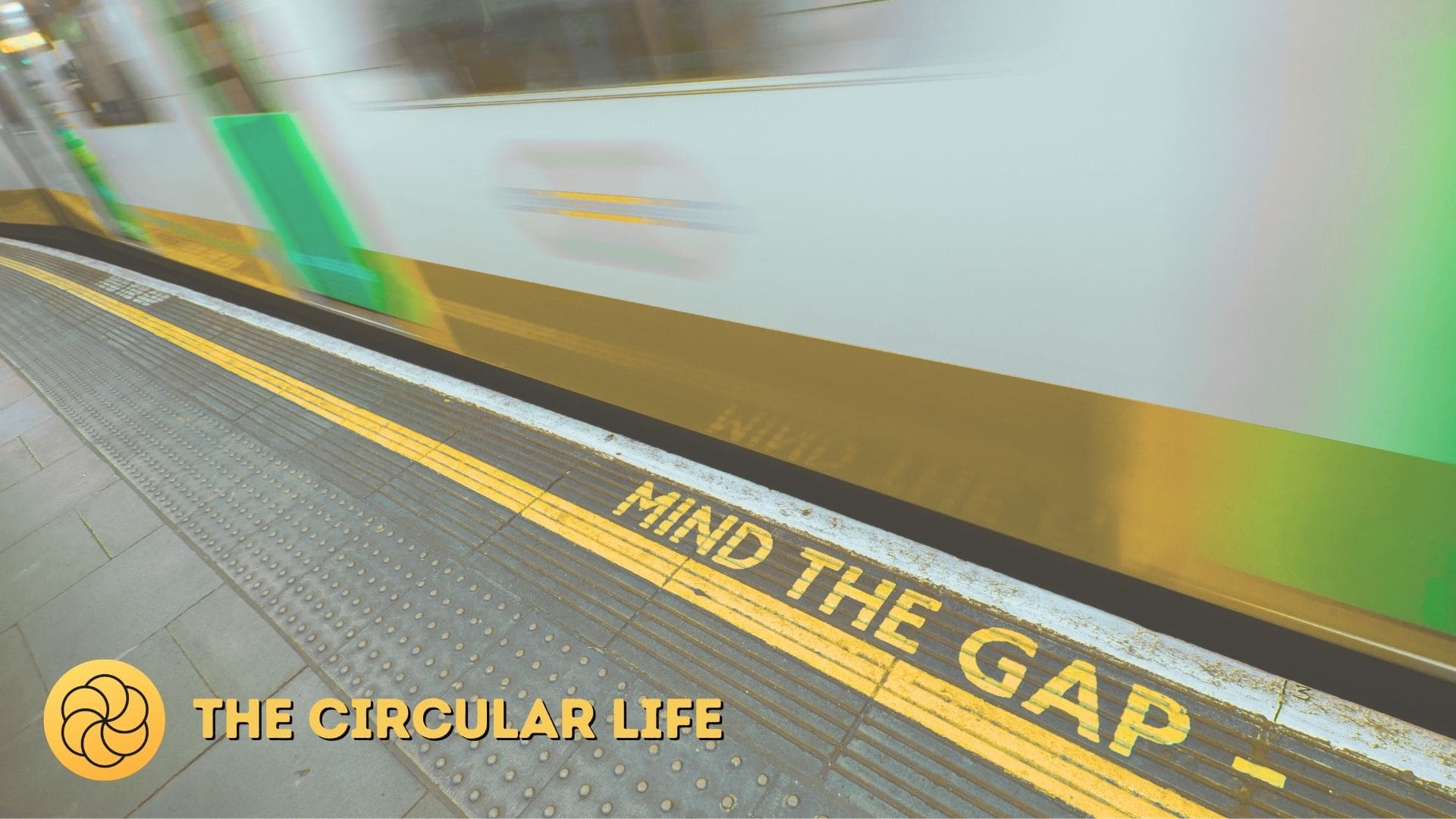
Below are six common gaps I see inside impact-focused businesses and ESG teams all the time. Understanding and addressing these is often the turning point between a stalled strategy and a scalable shift.
1. The Trust Gap
Do people trust that this will lead to real change?
Trust is the foundation of transformation. Without it, your sustainability strategy – even with the best intentions – will struggle to land.
Common (often unspoken) trust blockers include:
- “I don’t trust that you understand my part of the business.”
- “This is the third sustainability push in five years. Will it stick?”
- “I haven’t seen leaders make trade-offs or tough decisions, so I don’t believe they’re serious.”
- “I’m not sure the sustainability team has the influence to guide real change.”
These are perceptions, not facts. But perception drives behaviour.
Trust isn’t given – it’s earned through consistent, credible action.
2. The “People Just Don’t Care” Gap
Are you lazy-labelling resistance?
It’s tempting to dismiss resistance as apathy: “They just don’t get it.” “They’re too busy.” “They don’t care.” But resistance is rarely that simple. It usually stems from:
- Competing priorities
- Past disappointments
- Unclear messaging
- Fear of failure or judgment
When someone appears disengaged, the real question is: What’s blocking them?
Everyone has their own (often valid) reason for resistance. So it’s important to learn about the individual, understand their resistance, and help them through it.
3. The Meaning Gap
Do people understand what sustainability means for them?
If sustainability doesn’t connect to someone’s daily work, it becomes abstract. And when something feels irrelevant, it gets ignored. Knowledge alone isn’t enough. You need to help people create meaning for themselves.
This requires:
- Accessible, tailored education
- Space for dialogue and reflection
- Tools to connect strategy to real decisions
When meaning is co-created, it sticks. People become more confident, more curious, and more committed.
4. The Confidence Gap
Do people feel safe and confident to speak up about sustainability?
Confidence is often misdiagnosed as a knowledge problem. So organisations send people on more training. But knowing about sustainability is not the same as feeling confident to act or speak up. Confidence requires:
- Practice
- Encouragement
- Psychological safety
If people fear sounding naïve or challenging status quo decisions, they’ll stay quiet – even if they do care. (Most people also don’t feel confident challenging above their pay grade – regardless of the field)
Often, what’s needed isn’t more sustainability training, but leadership development. (Or perhaps a smart blend of both).
5. The Permission (Red Tape) Gap
Have you empowered people, or just told them it’s “everyone’s job”?
You say sustainability is part of everyone’s role. You ask people to lead. But when they try, they run into:
- Conflicting KPIs
- Budget restrictions
- Zero decision-making power
- No time or resources
- Slow-moving governance
This kind of friction is demotivating. And eventually, people stop trying. Often, what’s needed is:
- Clear feedback routes where everyone is encouraged to share
- Small pockets of time to test and explore
- Autonomy and involvement in redesigning a process
- Clarity around scope and expectations
It’s bureaucratic. It’s frustrating. So people stop trying. All they often need is a little time and space to explore and remove obstacles. Or the autonomy to redesign a process.
6. The “Leaders Are People Too” Gap
Are you overlooking the support leaders themselves need?
It’s easy to assume that senior leaders should just get it. But leaders are people too. They experience:
- Overwhelm and overburden
- Uncertainty and doubt
- Resistance and fear of getting it wrong
Every one of the previous five gaps applies to leaders just as much as to employees.
Want leadership to lead sustainability? You also need to meet them where they are; help them develop the mindset, language, and tools to lead with confidence and clarity.
Where do you start?
If any of these gaps feel familiar, know that you’re not alone. These are the common blockers that even the most committed teams face.
The good news? These gaps aren’t fixed through more pressure and more work. They’re closed by slowing down. Taking time to pause, reflect, and try a new path, feedback. Small intentional steps. That’s smarter leadership.
Reflect:
- Which of these gaps is showing up most for your team?
- Which one will you focus on first?
- What small action could you take today?
Embedding sustainability into business-as-usual takes more than a delivery plan.
It takes a people-first integration plan.
Sustainability leadership coaching helps you identify and close these hidden gaps, build the trust, clarity, and confidence your team needs to lead real change.
As part of Products of Change’s work The Circular Life, POC is offering five free tickets for its membership to attend the Sustainability Integration Masterclass on 25 February. Click here for more details.
About Briony and The Circular Life
Hello. I’m Briony Pete, I’m a qualified Exec Coach and culture change expert, with 15 years experience working in sustainable development.
I help sustainability teams to THRIVE: to break out of old habits, mindsets and closed ways of thinking, and transform into bold, confident leaders that land influence and impact.
Find out more at www.circularlife.co.uk.