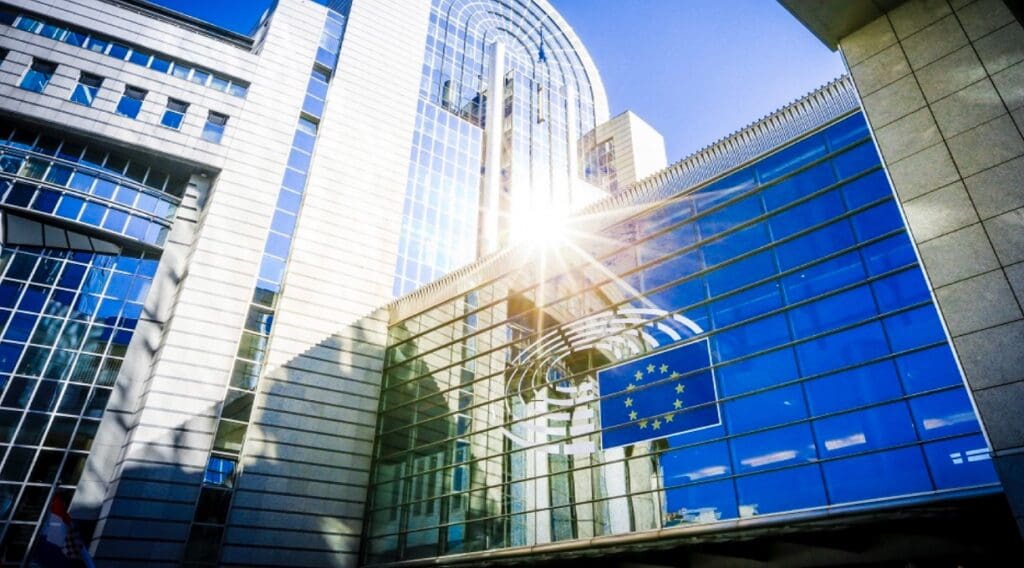

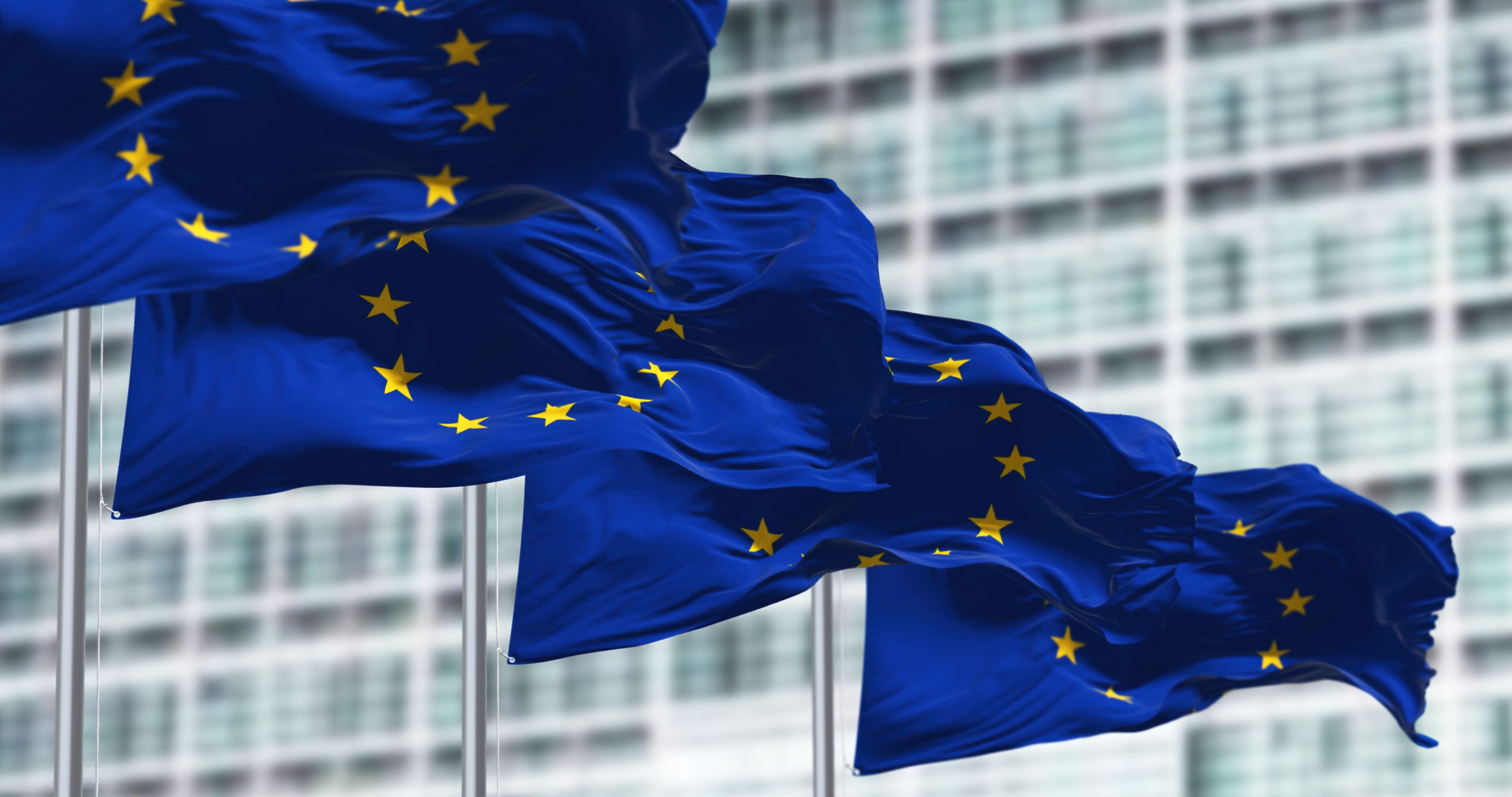
An EU update to the Packaging and Packaging Waste Regulation (PPWR) comes into effect today (12 Aug).
The Regulation brings into focus new restrictions on PFAS (forever chemicals) and aims to tackle Europe’s dependency on fossil fuel-based packaging.
The measures are also expected to help strengthen the Single Market for packaging by facilitating unified cross-border rules, supporting the EU’s transition to a circular and climate neutral economy by 2050. Definitions will be harmonised across the EU, for example for manufacturers and producers responsible for extended producer responsibility for packaging, and certain packaging labelling and marking will be required for better identifiability of packaging manufacturers and importers.
Reuters reports that packaging waste has increased by 20% over the last decade, with packaging accounting for about 40% of plastic consumption in Europe. Our plastic and fossil fuel derived product dependency has been brought into sharp focus in recent months due to the geopolitical turmoil caused by the Iran war.
Europeans generate 180 kg of packaging waste per person per year, and according to Eurostat, 35.3 kg of this waste was fossil-fuel derived plastic and only 42% was recycled in 2023, according to Reuters.
A key component of the Regulation entering into effect today is the restriction on polyfluoroalkyl substances (PFAS) in food-contact packaging, where packaging containing over a strict limit of PFAS will not be allowed on the EU market. It also requires manufacturers to provide traceability information for the source of the packaging if concerns arise.
Attention has been growing on the use of PFAs and their impacts on human health due to their nature as ‘forever chemicals’, meaning they do not degrade naturally and can contaminate water, air, soil, and food. Researchers have linked the buildup of these chemicals in humans to various forms of cancer, kidney disease, immune disorders, pregnancy complications and developmental problems in infants, says Reuters.
The objective of promoting a circular economy is to keep valuable resources in use for longer and reduce the volumes of waste that are produced, with the ambition of strengthening Europe’s resilience and security of resources.
From the initial implementation today, further rules under PPWR will begin coming into effect gradually, such as a harmonised labelling system to facilitate more efficient waste-sorting into recycling and composting streams by 2028. The majority of regulations, however, are not applicable until 2030, such as:
- Reduce the generation of packaging waste, such as new limits on empty space, reuse targets or very small single-use plastic packaging formats used in hotels and restaurants.
- Foster the circular economy, including the mandatory use of recycled plastic waste in new plastic packaging and the requirement that all packaging is recyclable.
These measures are part of the EU’s ambition to cut waste by 5% by 2030 and 15% by 2040, compared to a 2018 base year, in addition to tackling the problematic exporting of waste to other regions often not equipped to deal with it. An EU law regulating plastic waste exports came into effect earlier this year in May.
The European Commission says it will continue to work closely with stakeholders and Member States to support an efficient and practical implementation of these policies. It has published guidelines to aid compliance and uniform application which you can find here.