
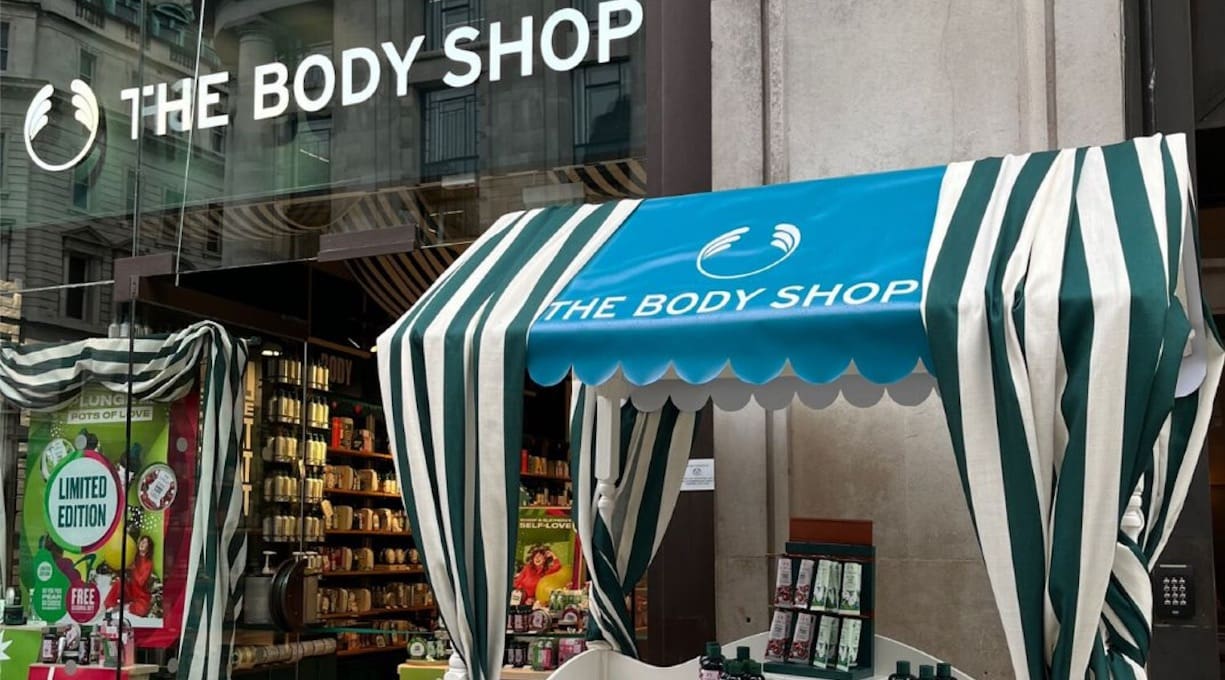
News this week that the Body Shop is preparing to bring in the administrators brought with it the flood of memories and nostalgia for everything this one-time pioneering brand delivered to the world of retail, nay business, no – even consumerism itself.
The Body Shop set the mould that business can be activism and that doing good and doing right actually could make you money. And that there’s nothing wrong with that. This was a business that fought to reconfigure what it meant to do business and its loss is something we ought to process.

“Business shapes the world. It is capable of changing society in almost any way you can imagine.”
– Dame Anita Roddick, founder of The Body Shop
Except, we already have, haven’t we? Back in 2006, when the first signs that the Body Shop – for all it stood for under the eye of its pioneering founder and activist Anita Roddick – was beginning to ebb away? The story of The Body Shop is an inspiring but sorry one. And one that may carry with it a lesson for us all.
It was a business decades ahead of its time when first founded in 1976 by Roddick, an environmental and human rights campaigner, in a backstreet shop in Brighton. At her leadership, all products were both ethically sourced and cruelty-free, while customers were encouraged to bring their bottles back for refilling to reduce plastic waste.
So strong was the message of the brand and so compelled into action were its customers that a series of campaigns led by The Body Shop itself brought about changes to animal testing laws in 22 countries. It thoroughly embodied Roddick’s vision of “businesses having the power to do good” and through the ‘90s became a household name while carrying with it that agenda of hope and a better tomorrow. And what a legacy to leave.

“Social and environmental dimensions are woven into the fabric of the company itself. They are neither first nor last among our objectives, but an ongoing part of everything we do.”
– Dame Anita Roddick, founder of The Body Shop
But that legacy was left. In 2006, when the brand was sold to L’Oreal for a nine-figure sum that drew criticism and scepticism from those believing the foundations upon which The Body Shop was built were about to be compromised. One year on from the sale and Roddick died, aged 64.
The Body Shop moved its manufacturing and went mass market and for ten more years took on a whole new persona – just another high street shop. In 2017, it was sold to Natura who in recent years has attempted a turnaround of fortunes and a return to the brand’s roots – bringing that ethical story once again to the forefront. But seemingly, it’s all been too late. In November 2023 it was sold again to the European private equity business Aurelius and today… well, here we are.
While The Body Shop spent the best part of two decades with its eye off the ball, the movement of purpose-led business it helped sparked back in the mid-70s left it in its wake.
Brands like Lush – which swept in and quickly plugged the gap left by the early 2000s – with its 1,000 stores and operations around the globe, now dwarf whatever plans the Body Shop had or has for that come-back. So it is that The Body Shop now stands, quite ironically, a victim of its own success.

What does it all tell us? That those values the The Body Shop emboldened in its customers never went away? That corporate mismanagement is the death of sustainability? Yes, to all that. But also that good faith will only get you so far. It’s undeniable that odes should be written to the legacy of The Body Shop. Our concept of ‘business with purpose’ and even ‘B Corp’ simply wouldn’t exist without the blueprint it gave us. The Body Shop really was a business ‘beautiful.’ And had it stayed the course Roddick had set it upon back in 1976, there’s no telling what the brand might have achieved.
Whatever the fate of its some 200 shops now, the Body Shop brand will likely live on in some shape or form. The world of brand licensing and retail is a funny place after all. But, wherever it does end up next, here’s hoping it winds up in the hands of those now paying close attention to the adoration for all it once stood for. The world can always do with more business beautiful.