
Discarded toys are a greater contributor to electronic waste than single-use electrical markets such as vapes, a recent analysis from the United Nations has uncovered.
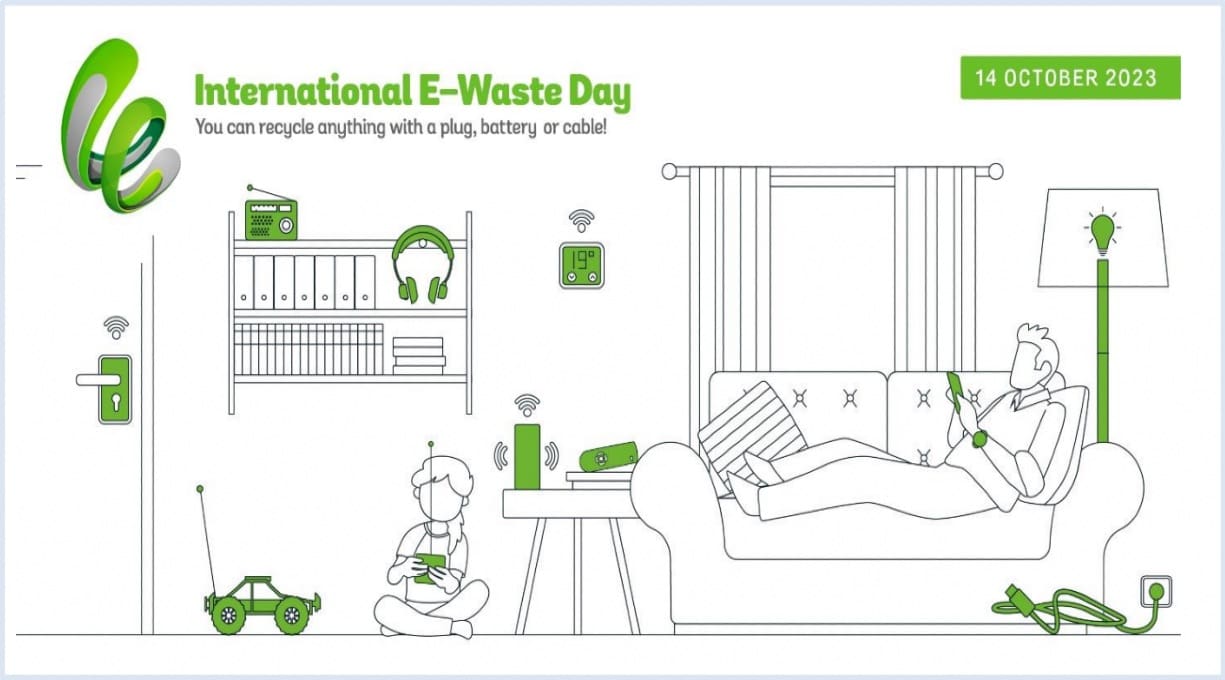
Timed with International E-Waste Day earlier this month, the Waste Electrical and Electronic Equipment (WEEE) Forum worked with the United Nations Institute for Training and Research to quantify how much electronic waste the world disposes of.
It found that in total nine billion kilograms of e-waste is thrown away every year, worth nearly $10 billion. Startlingly, around one third of this waste comes from children’s toys containing hidden electronics, accounting for 3.2 billion kilogrammes.
In fact, it was found that toys contribute 77 times more to the world’s invisible e-waste than vapes, which account for 42 million kilograms a year. The total of toys was mostly made up of items such as racing car sets; electric trains; music toys; talking dolls; and other robotic figures. Other examples of common, invisible e-waste items in households include toothbrushes; shavers; external drives and accessories; headphones and earbuds; and many others.
Pascal Leroy, director general of WEEE Forum, said: “Invisible e-waste goes unnoticed due to its nature or appearance, leading consumers to overlook its recyclable potential.
“People tend to recognise household electrical products as those they plug in and use regularly. But many people are confused about the waste category into which ancillary, peripheral, specialist, hobby, and leisure products fit and how to have them recycled.”
The WEEE Forum asks the public to get their e-waste to the appropriate municipal collection facility.
“A significant amount of electronic waste is hidden in plain sight,” said Magdalena Charytanowicz of the Waste Electrical and Electronic Equipment Forum.
“Sadly, invisible e-waste often falls under the recycling radar of those disposing of them because they are not seen as e-waste. We need to change that, and raising awareness is a large part of that answer.
“Much effort and progress was made around plastic pollution and people are now more conscious about it, especially with a UN treaty on plastics in the works by 2024. We hope the same will occur in the e-waste field.”
In Europe, thanks to 20 years of Extended Producer Responsibility (EPR) legislation, 55% of e-waste generated is now officially collected and reported. Still, according to the United Nations global e-waste monitor, other parts of the world show much slower growth rates in its collection, and globally, the reported average collection is just over 17%.
In the UK, EPR legislation which was scheduled to come into effect by the start of 2024 has been delayed until 2025 amid claims made by the government that the ‘economic landscape remains too turbulent for the imposition of additional taxes on businesses.’ When it does land, however, it is going to shift the operational landscape upon which businesses are run in the UK, placing greater responsibility on producer to cover the costs of the end-of-life processes of the goods they place on the market.
The Sustainability in Licensing Conference – taking place at the Royal Geographical Society in London on Wednesday, 8 November – will dive into the expected impacts of incoming legislation upon brands and businesses here in the UK and anyone trading with the EU market.
The special session will be hosted by Products of Change’s Ambassador for the Circular Economy, James George; and Ambassador for Packaging and Material Innovation, Mike Swain. Tickets to the event are available to book here.
Back at the WEEE Forum, president Jan Vlak, has suggested that for the EPR system to successfully increase the collection of e-waste it will require not only producers “but all relevant actors, including regulators, consumers, refurbishes, reuse outfits, scrap dealers, retailers, and recyclers, to play their role.”
“We need to update the EPR principle, make it congruent with a circular economy principles and embed this new vision in EU legislation and in a global treaty to harmonise standards and define critical e-waste management obligations,” said Jan.