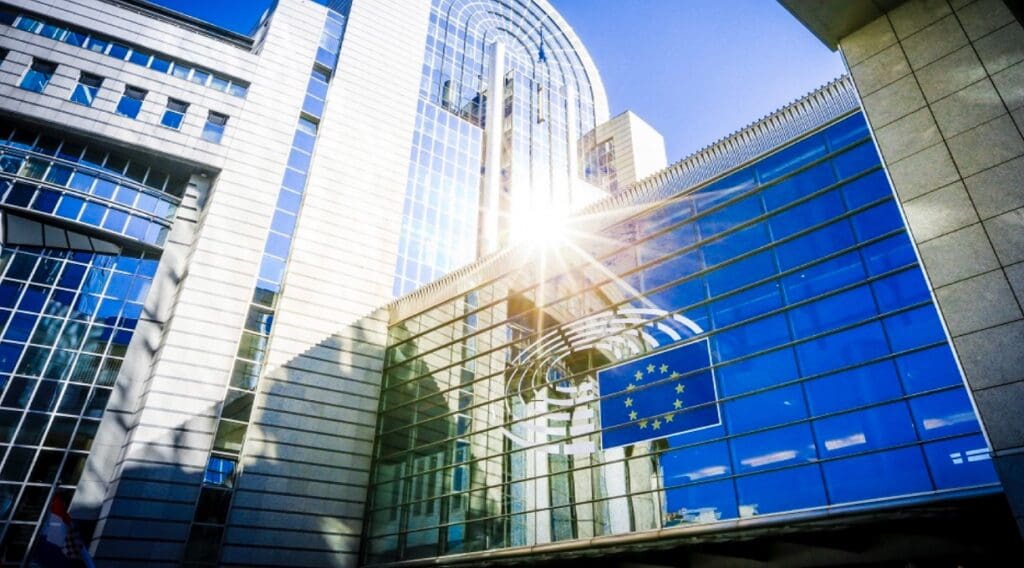

Members of the European Parliament have called for a tougher stance on waste reduction that includes the proposal that brands cover the separate costs for collecting, sorting, and recycling textiles through their end-of-life processes.
These latest adopted proposals primarily address the waste produced from both the textiles and food industries which, in recent years, have been pinpointed as among the highest waste producers across the European market.
Every year, around 60 million tonnes of food waste and 12.6 million tonnes of textile waste are generated in the EU. Clothing and footwear alone account for 5.2 million tonnes of waste or the equivalent to 12kg of waste per person every year.
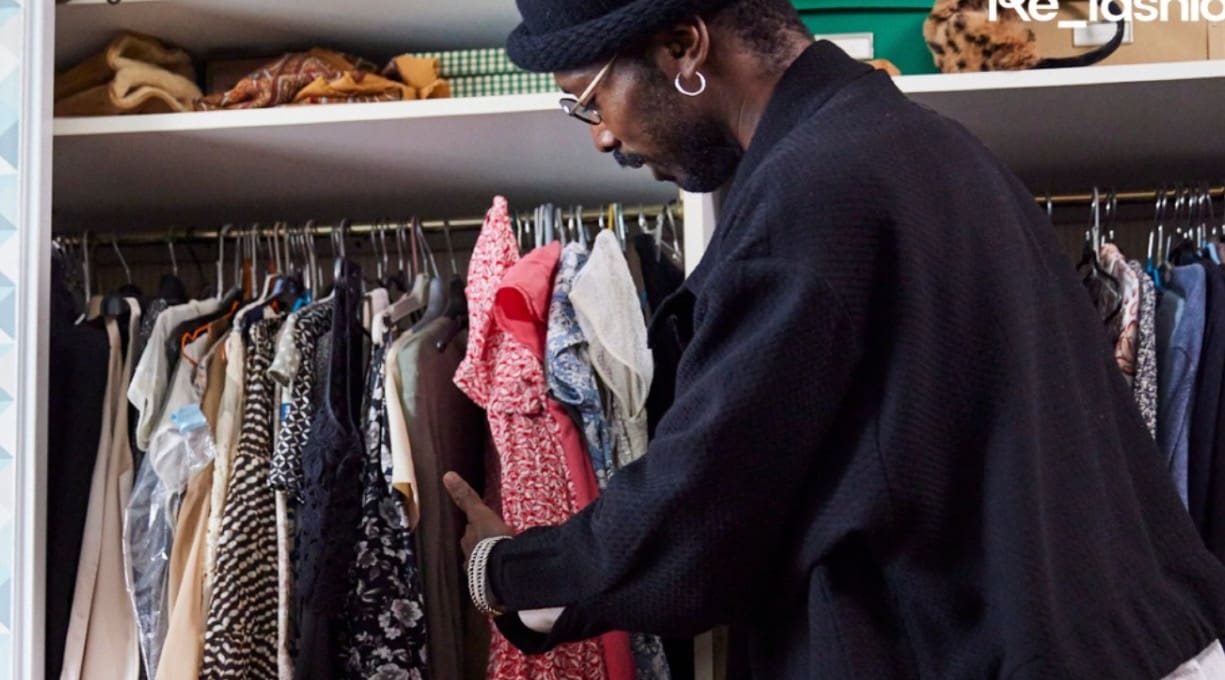
While many brands are now looking into improving their sustainability strategies in the pursuit of textile circularity through a growing secondhand and upcycling market, it is estimated that less than 1% of all textiles worldwide are recycled into new products.
In a proposed revision to the waste Framework, MEPs have now agreed to extend Extended Producer Responsibility schemes through which producers that sell textiles in the EU would have to cover the costs for collecting, sorting, and recycling them separately. Member states would have to establish these schemes 18 months after the entry into force of the directive.
The new rules would cover products such as clothing and accessories, blankets, bed linen, curtains, hats, footwear, mattresses and carpets, and include products that contain textile-related materials such as leather, composition leather, rubber, or plastic.
The adoption also encompasses food waste with higher binding waste reduction targets now sought to be met at a national level by December 31, 2030. In the manufacturing sector, waste reduction targets have been elevated to at least 20% (instead of the 10% proposed by the Commission). In the retail, restaurants, and food service and household sector, targets have been moved to 40% per capita.
The European Parliament has also asked the Commission to evaluate if higher targets for 2035 (at least 30% and 50% respectively) ought to be introduced, and if so, to come up with a legislative proposal.
“Parliament has come up with the targeted solutions to reduce food waste, such as promoting ‘ugly’ fruits and veggies, keeping an eye on unfair market practices, clarifying date labelling, and donating unsold-but-consumable food,” said EU Parliament rapporteur, Anna Zalewska. “For textiles, we also want to include non-household products, carpets, and mattresses, as well as sales via online platforms.”
Textiles market is EU’s third highest pressure on water and land use
Recent assessments made by the European Environment Agency found that, compared with other consumption categories, textiles consumption in the EU caused in 2020 the third highest pressure on water and land use and the fifth highest use of raw materials and greenhouse gas emissions.
Meanwhile, over the past two decades the amount of used textiles exported from the EU has tripled from just over 550,000 tonnes in 2000 to almost 1.7 million tonnes in 2019. What’s more, between 60 to 70% of textiles are made from plastic – mostly polyester – which is made of oil and gas. From such fibres, it is estimated that that over 14 million tonnes of microplastics have now accumulated on the world’s ocean floor.
The EEA states however that circular business models and design can ‘reduce the negative impacts of textile production and consumption by retaining the value of textiles, extending their life cycles, and increasing the usage of recycled materials.’
“This requires technical, social, and business innovation supported by policy, education, and changes in consumer behaviour,” said the EEA.
The proposals adopted by MEPs this week directly respond to expectations among citizens for the EU to apply circular economy principles and promote measures against waste, as well as to implement ambitious sustainable textiles strategies and increase environmental standards.