
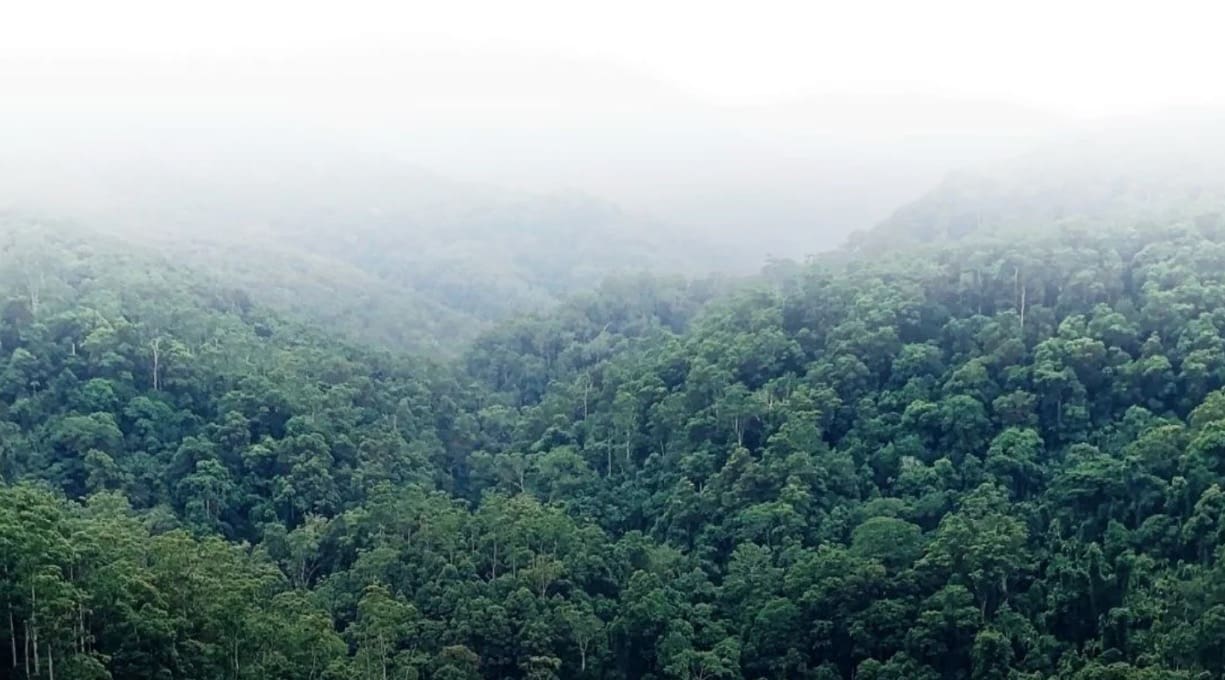
The European Parliament has approved a landmark deforestation law to ban imports into the EU of products and commodities linked to the destruction of the world’s forests.
Passed last week – in the build-up to Earth Day – the law will now require companies that sell goods into the European Union to produce a due diligence statement and ‘verifiable’ information proving the goods were not grown on land deforested after 2020.
Companies bringing coffee, beef, soy, and other products into the market that do not meet the requirements will face hefty fines.
The new rules aim to eliminate deforestation from the supply chains of a range of everyday items sold in Europe. Palm oil, wood, cocoa, rubber, charcoal, and derived products using leather, chocolate, and furniture will all be subjected to the new legislation. Deforestation is currently responsible for 10% of global greenhouse gas emissions.
“European consumers can now rest assured they will no longer be unwittingly complicit in deforestation,” said the EP’s negotiator on the law, Christophe Hansen.
While the law does not target any one country, it has faced push-back from some that it would affect. The World Economic Forum reports than both Indonesia and Malaysia – the world’s largest palm oil exporters – have accused the EU of blocking market access for their palm oil. The EU is the world’s third-largest palm oil importer.
Malaysia has said it could stop exporting palm oil to the EU in response to the law, while palm oil smallholders warn they cannot comply with the requirement to prove where goods were produced using geolocation data.
Despite this, the EU Parliament approved a deal on the rules which were agreed by EU negotiators last year. It now needs formal approval from EU countries before it can enter into force. Once that happens, large companies will have 18 months to comply, while smaller firms will have 24 months.
Companies that fail to comply could face fines of up to 4% of a company’s turnover in an EU member state. Each member state will carry out compliance checks to enforce the rules.
Sustainable supply chains in the food and consumer products industries is a major topic being discussed by the leading names in global food production right now. This week, Products of Change will be joining the Women in Food Industry Management organisation to bring a smattering of the biggest names – including Unilever, McCain Foods, and McDonald’s – together to discuss the topic at its first Virtual Sustainability Summit.
For more information on the summit and to book your place, click here. The Virtual Sustainability Summit takes place at 9.00am EST on Friday, April 28th.