
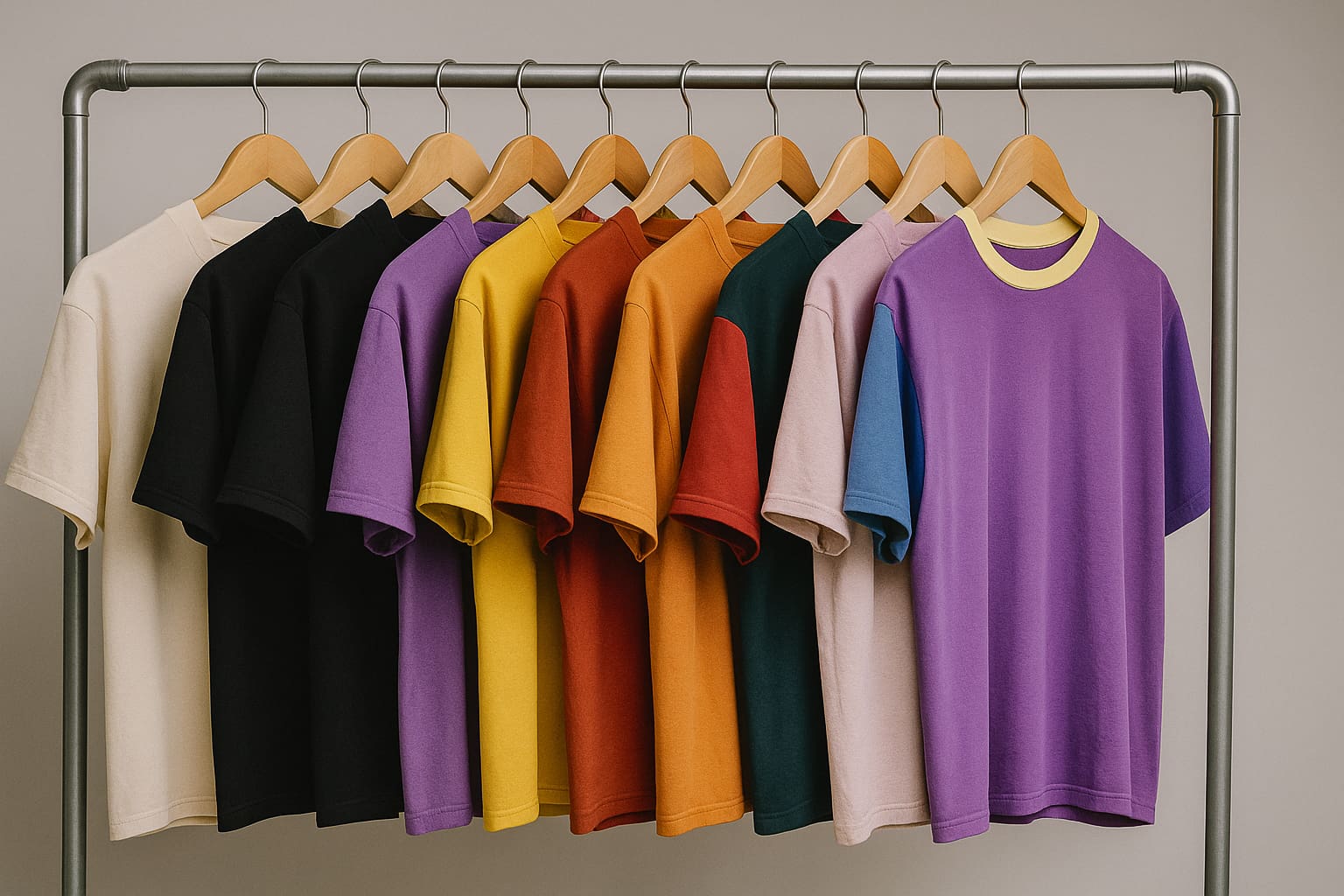
Meet Material Rebellion, a new upcycling-at-scale venture turning pre-consumer textile waste into high-quality, design-led apparel, and one of POC’s newest members.
Founded by Lindsay and Alexandra Lorusso and Carol Lovell, who bring deep experience from both waste management and fashion, the company works with ethical factory partners to capture cutting-room offcuts and end-of-roll fabrics and reimagine them as premium garment blanks.
Powered by its proprietary design technology, Material Rebellion can deliver scalable, merch-ready collections – starting with T-shirts for the music industry – backed by clear impact metrics on waste diversion, water savings and reduced carbon footprint.
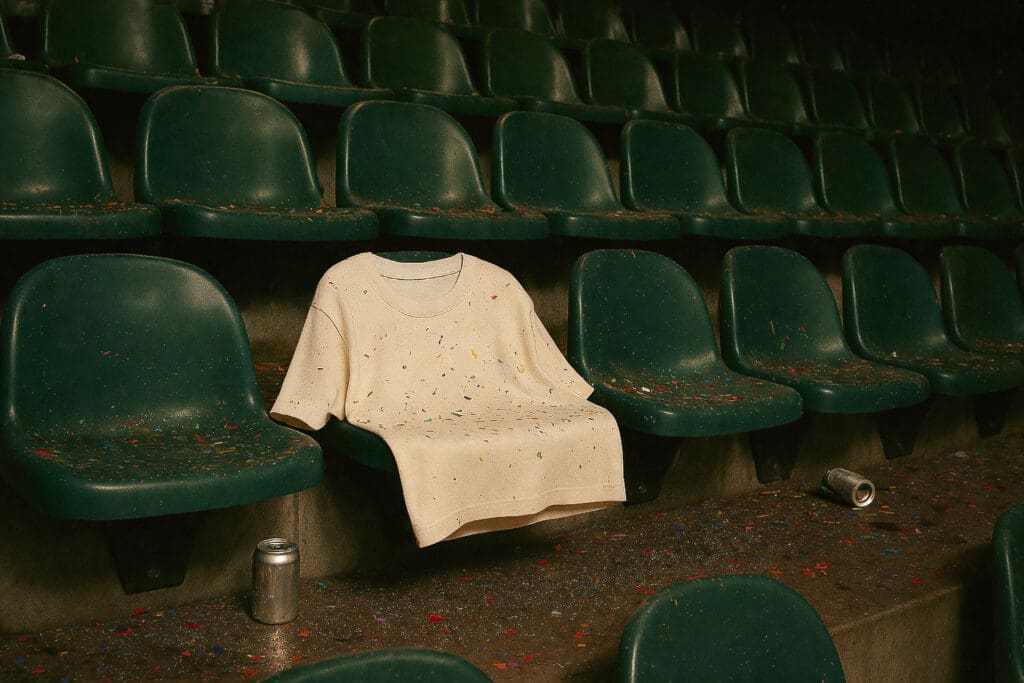
With the EU adopting rules to end the destruction of unsold clothing and footwear under ESPR, and as the focus narrows on waste management and efficiency or resources, new ways of thinking and creating goods, such as this, are more important than ever.
POC will be hosting a webinar workshop on upcycling and waste management on Wednesday 22 April with Material Rebellion. Click here to register for your place.
Hear more from the team below:
1. Tell us a bit about what you do
Material Rebellion is building a circular supply chain for apparel — with roots in music and culture-led merch, but designed to scale across industries.
We capture verified pre-consumer cotton waste from factories and upcycle it into premium, merch-ready garments. Our model is white-label and private-label ready, enabling brands, artists, and enterprise partners to integrate circular production into their own collections.
At a systems level, we redesign how value moves through fashion by treating waste as inventory, not scrap.
Through MR Intelligence™, our traceability and allocation system, we ensure that circular production is structured, measurable, and audit-ready — not just a marketing claim.
2. What does sustainability mean to you?
To us, sustainability is systems design.
It’s not about isolated material swaps — it’s about preventing waste before it happens, embedding traceability into production, and aligning economics with long-term environmental and human impact.
True sustainability reduces material waste, strengthens supply chain integrity, and protects human dignity in manufacturing. It must be operational, measurable, and commercially viable.
3. Why have you joined POC?
We joined POC because we believe meaningful change happens through aligned communities.
POC brings together leaders who are actively working to transform production — not just discuss it. We value that focus on implementation, transparency, and shared accountability.
We champion POC’s initiatives and the work being done to advance responsible manufacturing. As a company building circular infrastructure, we want to both learn from and contribute to that collective effort — sharing insight from our experience in waste capture, traceability, and scalable circular production systems.
We believe progress accelerates when like-minded organisations collaborate, pressure-test ideas, and raise standards together.

4. What would you like to get out of POC membership?
We’re looking to deepen relationships with others tackling the structural side of sustainability — supply chain transparency, regulatory alignment, material innovation, and incentive redesign.
At the same time, we want to add value. Where relevant, we’re keen to contribute practical insight from building prevention-led circular models, standardised waste capture frameworks, and audit-ready traceability infrastructure.
We see POC as a collaborative platform — a space to exchange applied knowledge, strengthen industry standards, and collectively move responsible production forward.
5. Sustainability achievements so far?
To date, we have:
- Built a standardised pre-consumer waste capture framework inside factory workflows
- Developed structured circular production tiers across volume scales
- Implemented batch-level traceability through MR Intelligence™
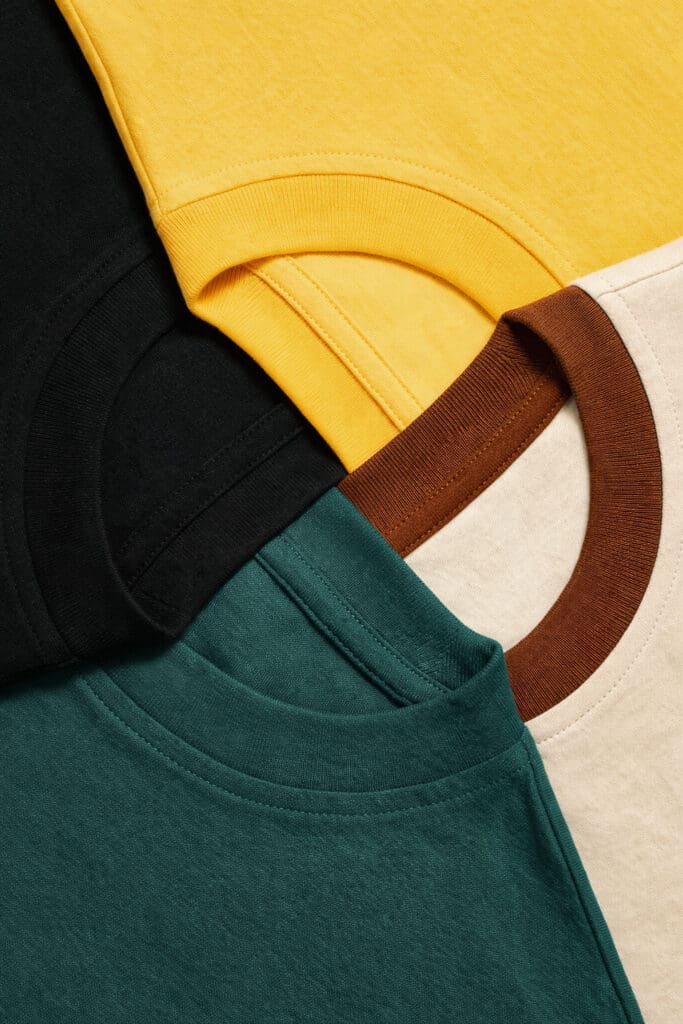
- Launched merch-ready garments made from 100% upcycled cotton
- Embedded measurable impact reporting (water saved, CO₂ reduced, waste diverted) into every order
Our core achievement has been turning circularity into infrastructure — not a niche product line.
6. What about sustainability ambitions?
Our ambition is to make prevention-led circular production the default. We aim to:
- Standardise waste pooling across multiple factories
- Align with Digital Product Passport and ESPR frameworks
- Reduce overproduction risk across apparel categories
- Quantify and reduce EPR exposure for enterprise clients
- Advocate for economic incentives that reward prevention and traceability
We believe the future of sustainable apparel lies in structured systems that reward responsible production — not symbolic gestures.
7. What are your thoughts on sustainability in the apparel industry – challenges and opportunities?
The primary challenge in apparel is structural.
Volume pressures, forecasting gaps, and short product lifecycles continue to drive overproduction. At the same time, sustainability storytelling often outpaces supply chain transparency, increasing the risk of greenwashing.
The opportunity is significant.
If circular production can be embedded into standard manufacturing infrastructure — with traceability, measurable impact, and economic alignment — it becomes a practical pathway forward for brands of all sizes.
The future of apparel isn’t just sustainable. It’s structured — and it’s collaborative.
Click here to join the webinar POC is hosting with Material Rebellion on Wednesday 22 April, to learn more about how the impact of upcycling at scale, and how this proprietary technology can be implemented in numerous ways: from tees to hoodies, to overshirts, denim and more.