
Both deeply dependent on and wholly connected to nature and the natural surroundings, sport relies on a healthy planet. Whether its contributing factors such as soil degradation, grass seed germination, or any other factors impacting pitch growth, or a matter of extreme weathers affecting our ability to compete in nature, the impact of climate change on the sector will be widely felt.
But sport finds itself in a unique position. With fans in their billions all around the world participating in or engaging with sport in some capacity, be that’s grass-roots level football or sailing; motorsport or skateboarding, sport has an enviable power to influence behavioural change from the ground up – whether that’s through the ambassadorship of some of the world’s biggest sports stars, or the way a club approaches its merchandise.
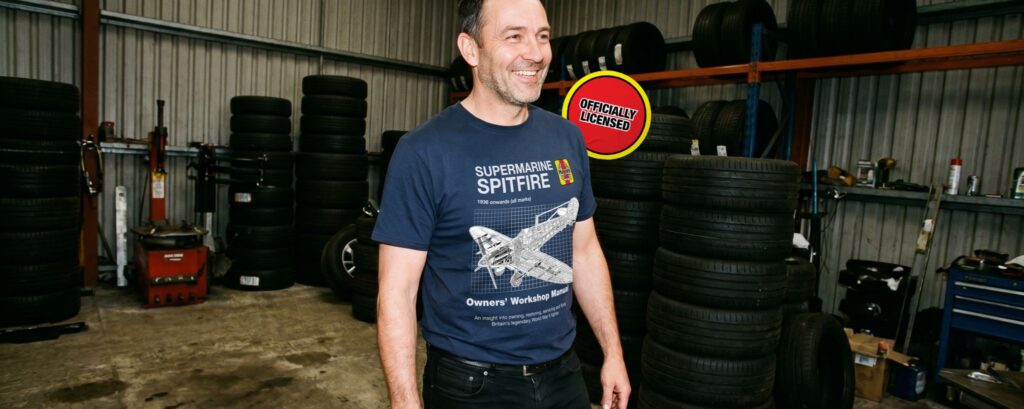
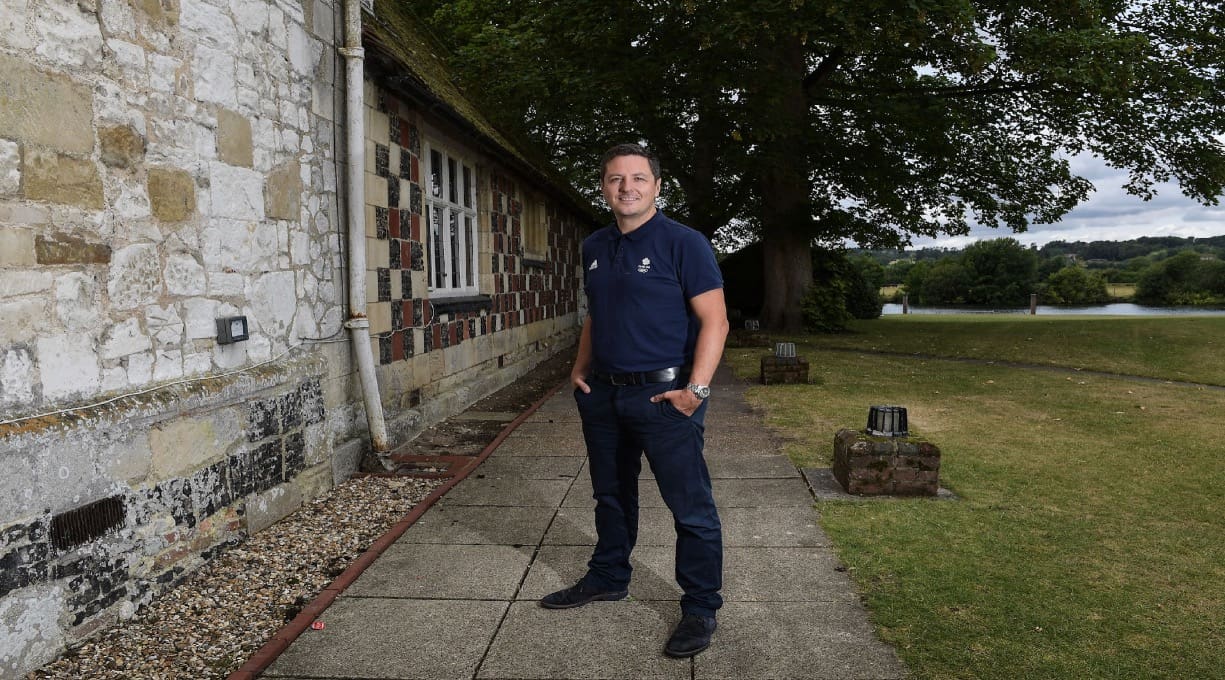
Team GB proudly stands among the sporting organisations to recognise that power to influence change. It’s why this year, Scott Field, Team GB’s director of marketing and communications will be joining Simon Gresswell, and Liverpool FC’s head of sustainability, Rishi Jain to bring that conversation to the Sustainability in Licensing Conference.
Ahead of the big event – taking place on Wednesday, 8 November at the Royal Geographical Society in London – we catch up with Scott to learn more about Team GB’s approach to sustainability.
Hi Scott, we’re very excited to catch you in action at SiLC next month. Can you talk us through Team GB’s approach to its role as ambassadors for change and sustainable development in sport?
Our approach is pretty simple – it’s to do what we can when we can, and to work with our partners to create a better sustainable future in the knowledge that we need to work together to achieve this. As an organisation, we’re not particularly big and we’ve made some real strides in affecting our own environment to make it better. We know that travel is a major area and, for example, we have taken the obvious decision to get the train to Paris 2024. But beyond the practical we know the power of the brand and the athletes’ voice means we can be real advocates for change in this area, and that’s an important part of our role.
Can you talk us through some of the actions Team GB has taken on this journey so far? How have you been building on these and have you got any key ambitions/goals to hit from this perspective ahead of Paris 2024?
We moved to new offices in 2019 and transferred all our energy to renewable sources, which has made a big difference in our carbon usage. We have mapped our staff travel and can continue to monitor office and work from home levels to ensure we maximise our efficiencies in this regard. We’ve done the simply stuff like cutting down on single use plastics and increasing recycling in our offices. We have a strong approach to end of life cycles for our materials, particularly at Games-time, and we are looking at electric vehicles for Games-time, when our delegation swells to over a 1,000 people. Importantly, we are taking Eurostar to Paris 2024, which is incredibly efficient in that for every flight we could have taken we can now take the equivalent of 13 train journeys into Paris.
Importantly, we are going into an environment in Paris where sustainability has long-since been high on the organising committee’s agenda too, so we really do feel as though the Olympic movement is making a concerted effort to better our collective approach to sustainability.
Obviously, Team GB is both a sporting body/organisation and a well-loved, global brand. How do you marry the ethos behind your commitment to sustainability in sports with what it means to be a brand – production of merchandise, fan engagement etc?
Since our Team GB shop re launched in 2018 we have had a pledge in place to do better and this is includes:
- Only use fully bio-degradable bags for orders
- Replace all plastic tape with secure paper-based tape
- Not use plastic-based external stickers (other than the label)
- No longer include single use plastic giveaways in any of our orders
- Print your Team GB ‘Thank You’ postcard on recycled and recyclable card
- Not use plastic packaging on Team GB ‘own label’ products
- Ambitiously push towards not using plastic packaging on Team GB ‘3rd party’ products
- Remove all bubble wrap and other plastic-based internal stuffing
We also moved to a print on demand solution for a lot of products and have been delighted with how this has supported us to reduce excess stock. We have been pleased to work with Products of Change for guidance and made simple steps such as photo samples for approval everywhere we can to cut down use of couriers and number of samples that need producing for example, we discuss with all licensees what we can do to make the best decisions in collaboration with them.
We are embarking on a fun journey on the memorabilia world which is focused on re-using and re purposing which we are excited about. We are also working closely with our partner adidas and their people and planet team to learn from them, their other partners but also make the best decisions together on innovation and sustainability within kit the athletes need for performance.
Team GB’s athletes are among its biggest ambassadors/advocates for sustainability – we loved reading about the recent sailing world record and climate awareness event – how impactful are these kind of initiatives in engaging fans and driving action?
I think athletes play a crucial part in this agenda – it’s really important to them and we are seeing good engagement here. Alongside athletes Hannah Mills and Melissa Wilson, from Champions for Earth, we have successfully rolled out an educational workshop designed for athletes, specifically for them to learn more about environmental sustainability debunk some of the myths and increase engagement. There has been good and growing interest in this. Water and snow and ice-based athletes get it, particularly in sailing where the impact on competition can be more obvious, but you see an increasing number of athletes across all sports engaging and using their voices as powerful tools for advocacy.
What’s the plan for Team GB post-Paris 2024? What will be some of the key steps you’ll be taking to reduce GHGs by more than 50% by 2030 and hit net zero by 2050?
We’re working on our carbon reduction strategy now with the University of Hull and will have a clearer picture in the next few months. One key area is travel to the host country and that is going to unavoidable for us for Los Angeles 2028 and Brisbane 2032 for example. However, we can look at innovative approaches to that – do we take fewer journeys in advance of the Games when we do our recces, and stay for longer periods when we go? Do we station resource in those countries? These are all the questions we are asking ourselves.
We are also working hard with partners such as adidas to constantly cut down on waste and ensure products are increasingly sustainable. It’s the same with the IOC where we work with them to understand how we can hire items off their rate card, that will then go back into circulation, rather than purchase equipment as a one-off.
These are just a few examples, but it’s an ever changing landscape too, so we need to be aware of developments, one of which could be sustainable aviation fuel, which would have a significant impact on our emissions if it becomes increasingly viable over this period.
About Scott
Scott is the Director responsible for communications, marketing and digital at Team GB. He is also the management team lead in sustainability for the organisation. Having started his career in the broadcast industry, Scott went on to have a variety of roles in professional football, including Director of Marketing and Communications at Watford Football Club, as well as Head of Communications at The Football Association (The FA). During his time at The FA, he led communications for the men’s and women’s Great Britain football teams at the London 2012 Olympic Games. He joined the BOA in early 2016, ahead of the Rio 2016 Olympic Games and Paris 2024 will be his sixth Olympic Games.
Scott Field will be joining POC’s Ambassador for Sports, Simon Gresswell and Liverpool FC’s head of sustainability, Rishi Jain for a special panel session ‘Kit for Purpose’ – a conversation on sustainability in sports and sports licensing at this year’s Sustainability in Licensing Conference.
Tickets for the event are available now via the Sustainability in Licensing Conference website.