

The European Council and Parliament have reached a new political agreement to regulate packaging and packaging waste by setting binding re-use targets, restricting certain types of single-use packaging, and placing a limit on the amount of packaging used in the EU.
The aim of the provisional agreement is to tackle the increase in packaging waste generated in the EU, while harmonising the internal packaging market and boosting the circular economy.
Despite reported increases in recycling rates in the EU, the amount of waste generated from packaging is growing faster than the amount being recycled. Over the past decade, packaging waste has increased by nearly 25% and – if no action is taken now – is expected to increase another 19% by 2030.
For plastic packaging waste, that expected increase is 46% by 2030.
The new proposal first and foremostly considers the full lifecycle of all packaging by laying down requirements to ensure it is safe, sustainable, and crucially, all of it is recyclable. It also maintains the already established 2030 and 2040 headline targets for minimum recycled content in plastic packaging.
Within the main structure of the agreement is a call upon the European Commission to assess the state of technological development of bio-based plastic packaging. The proposal states this assessment ought to be implemented no later than three years following the adoption of the new regulation.
Its aim is to begin the process of laying down sustainability requirements for bio-based content in plastic packaging.
Further systemic packaging requirements
In a move to reduce the amount of unnecessary packaging, the new rules propose to set a maximum empty space ratio of 50% in grouped, transport, and ecommerce packaging. It will also require that manufacturers and importers ensure weight and volume of packaging are minimised.
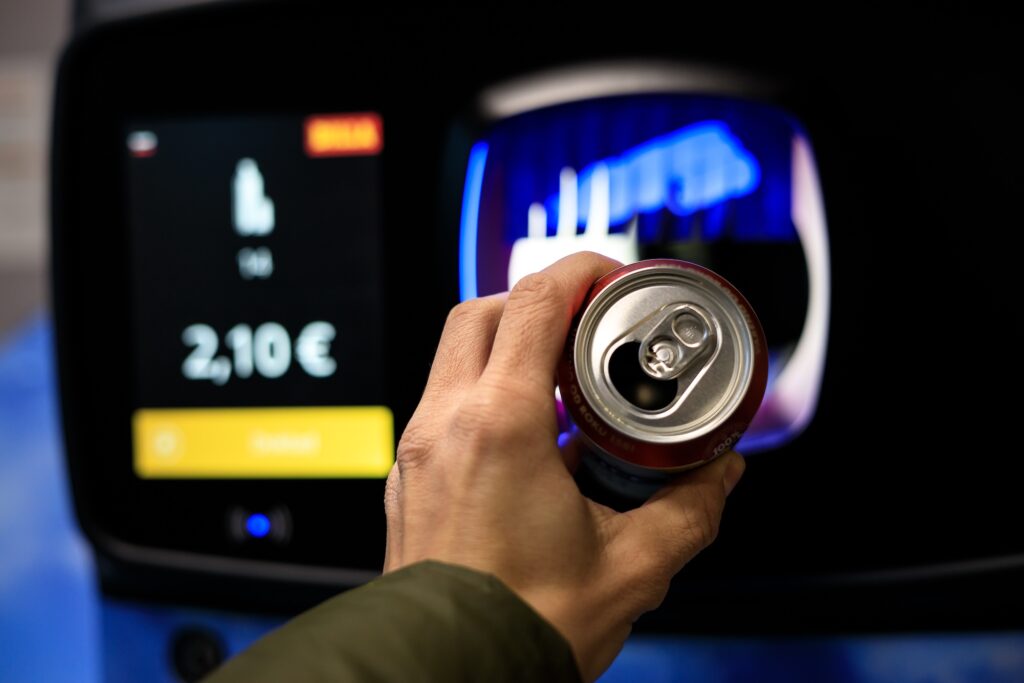
On top of this, by 2029, member states must ensure the separate collection of at least 90% each year of single-use plastic bottles and metal beverage containers through deposit return systems, while restrictions will be placed on certain packaging formats, including single-use plastic packaging for fruit and vegetables, for food and beverages, condiments, sauces within the HORECA sector, for small cosmetic and toiletry products.
The next step will see the new provisional agreement submitted to the member states’ representatives within the Council and to the Parliament’s environment committee for endorsement. If approved, the text will then need to be formally adopted by both institutions before it can enter into force.
Packaging production and waste management is an economically complex and important sector, generating a total turnover of €370 billion in the EU. As such, it has been pinpointed for playing a significant role in the potential to transform Europe into a clean, sustainable, circular economy, in line with the European Green Deal.