
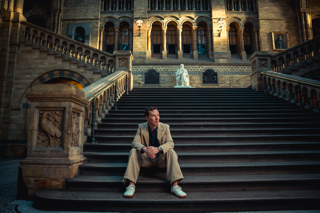
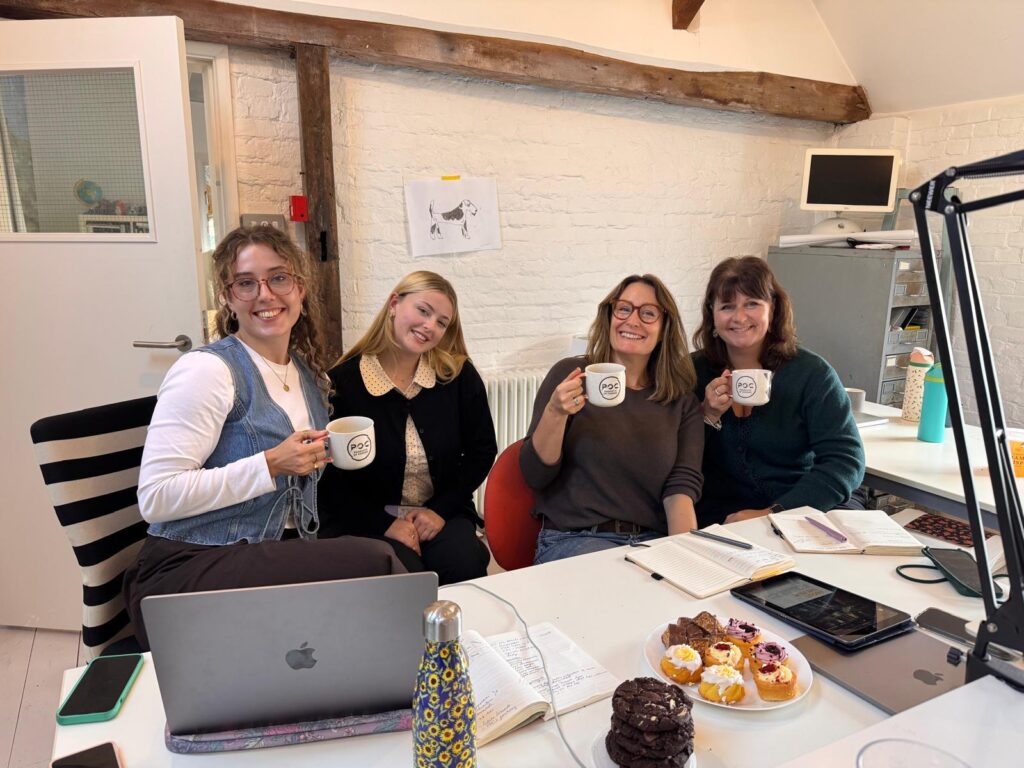
This week, POC hosted its first ever film screening for our Community.
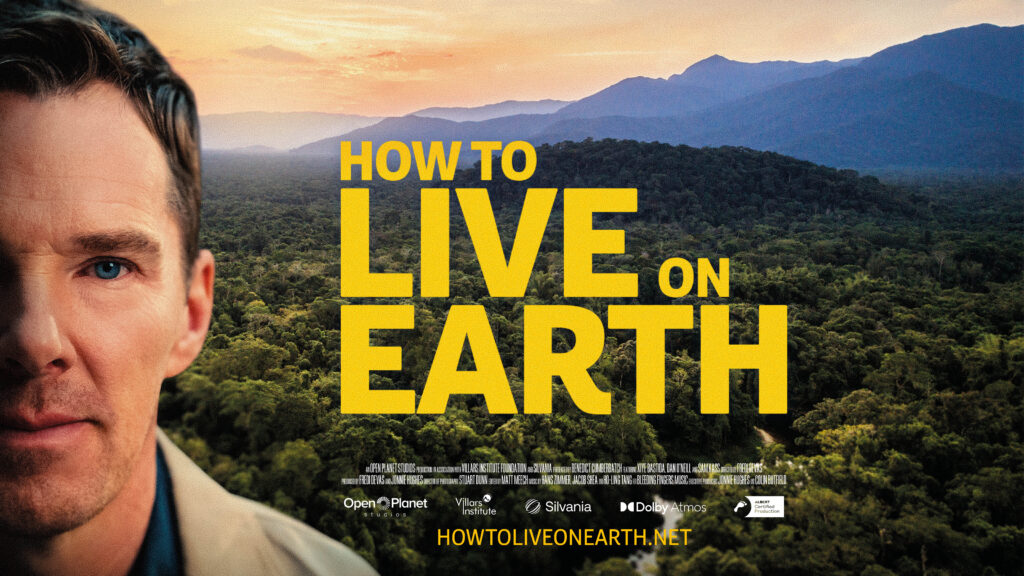
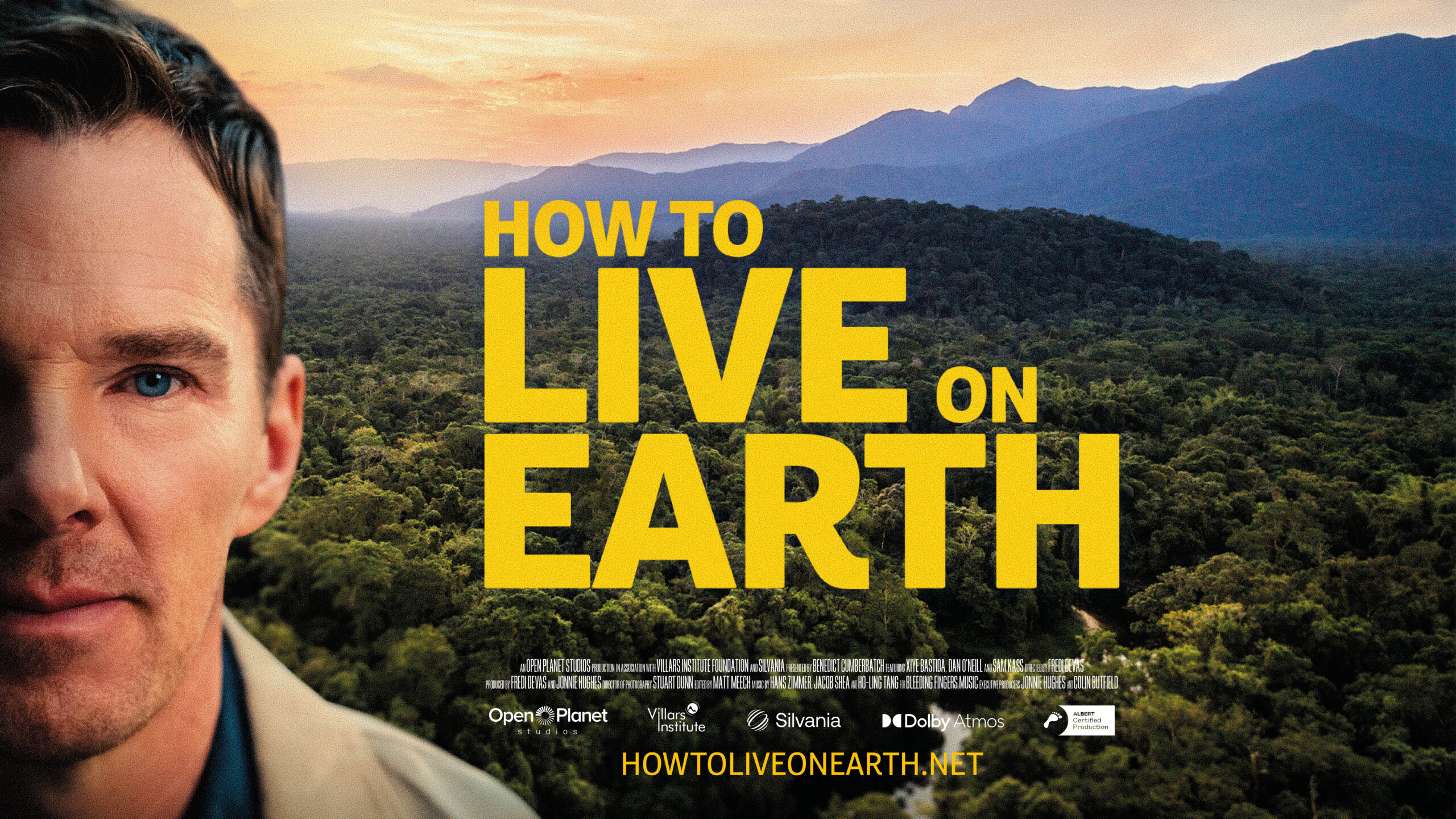
Open Planet’s previous feature film, Ocean with David Attenborough, hooked us all, and we could expect no less from their newest release: How to Live on Earth, narrated by Benedict Cumberbatch.
Helena was lucky enough to be invited to the premiere earlier this year by Open Planet, who opened the our Conference last year. And she knew it was a must-watch for our POC family.
It is the ultimate and most stunning ‘how to’ guide for us humans as we traverse life on this planet and navigate our relationship and reliance on it.
There was something very special about watching the documentary simultaneously with POC Members, adding comments into the chat when something amazed us, and chatting afterwards about our favourite parts. That is what community is all about, after all, and that was also one of the learnings from the film: the power communities hold in their hands for transformational change.
Thank you to those who joined us, and if you couldn’t, do not fear, it’s available on YouTube.
Because, in the words of one of our guests yesterday, “Everyone must see this”
One of the prevailing themes was of the immense value of biodiversity. Biodiversity is Earth’s pulse and is the way we measure the health of our planet. Nature does its work for free, said Benedict in the film, one of the most striking lines – nature does its work for free and yet we hinder it at every turn. In one of the opening sequences, the film showed dozens of farmers hand pollinating hectares upon hectares of pear trees because there are no more bees to do it for them; no more nature to do it for them for free. Now it costs: human labour and wages and time.
Not prioritising nature is only going to cost us more and more. However, there are growing models to put an economic value on nature and biodiversity. The goal is to make biodiversity bankable, and economically beneficial to protect. We need a regenerative economic system; there are already models in place, we just need to adopt them as businesses.
Because what we hear over and over again in the sustainability conversation is that it costs more money to be more sustainable so we’re not going to do it. This is the wrong angle. We should be looking at the cost of inaction which is undoubtedly multitudes higher when we look at having a functional ecosystem in which for us and future generations to exist.
We need to reexamine how we look at value: what is the real value of destroying an area of biodiverse rainforest to mine or to raise cattle, versus the cost of it remaining protected and contributing to a healthy planet? Biodiversity is the planet’s most valuable metric.
This all feels rather on the nose at the moment, as this week COP 17 on Biological Diversity kicks off in Yerevan, Armenia. All eyes are on this 2026 UN conference as the last Biodiversity COP ended with no deals or agreements reached.
With just four years remaining to meet the 2030 biodiversity targets, such as protecting 30% of land and sea for nature, reforming $500bn (£375bn) of environmentally damaging subsidies, and restoring 30% of the planet’s degraded ecosystems, COP 17 marks a critical moment to assess global progress, address implementation gaps and agree on ways to accelerate action.
Governments have never met a single UN target on nature since the biodiversity convention was created in Rio in 1992, and there has been a big push to make sure that the next years until the 2030 deadline are different, reports the Guardian.
The focus has to be on turning commitments into results.
But the targets aren’t out of reach yet; there is still hope, and while there are still individuals, country leaders, organisations and groups pushing this mission forward, progress can be made. We just need to keep up the momentum.
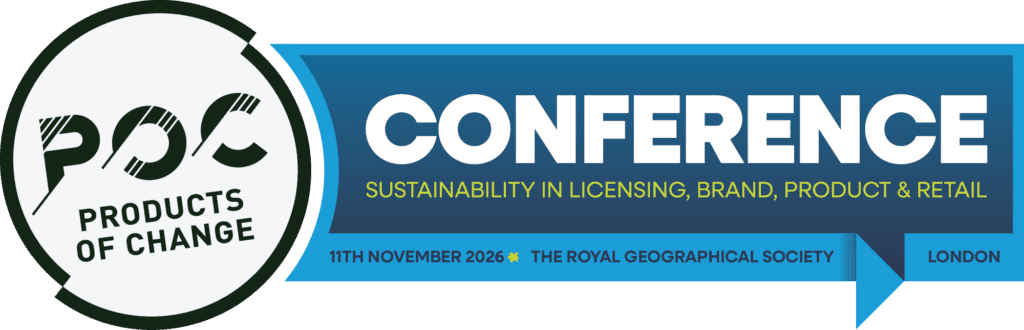
And in a very natural and fluid transition to the topic of POC Conference, this is the same mantra we are touting. The message will also be about implementation now that we near 2030. The POC Conference is a celebration of the companies that are pushing the needle forward, and an honest and open conversation of how much more they want to do, the challenges they have faced, and how they overcome them.
Because there is plenty to be hopeful about and we always see that in troves at the POC Conference. But there is no resting on our laurels. Attending events like the POC Conference are essential to forge the collaborations and drive to propel the industry towards a more sustainable future, together: Earth’s “Chapter 4” as my new friend, Benedict, would say.
So be there or be square or something like that 😉 Get your tickets here.
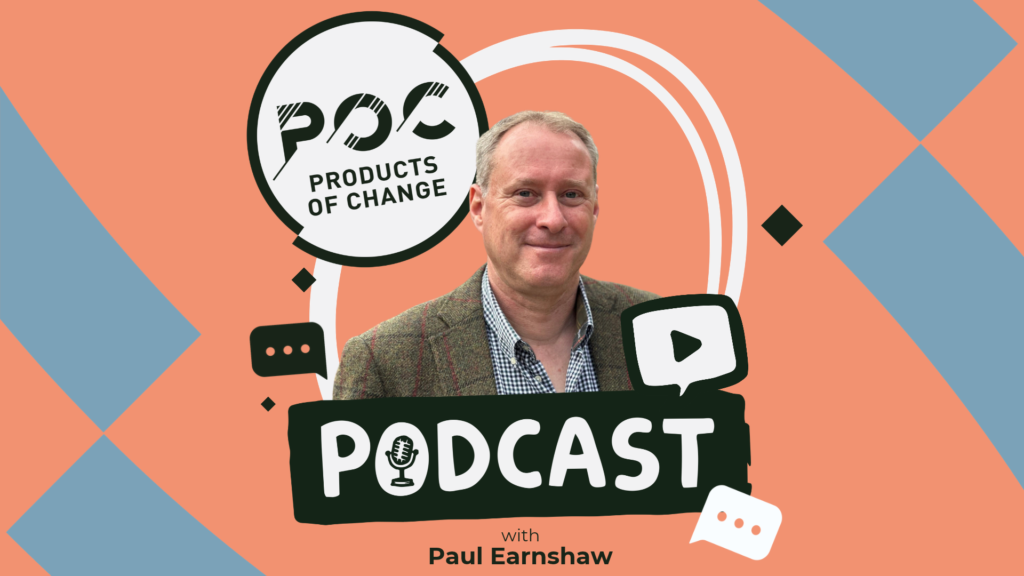
Weekend Listening: Our latest podcast episode is out today. Paul Earnshaw, Packaging Development Manager at Tesco, discusses evolving packaging legislation and its impact, one year on from his session at the POC Conference 2025. Available now wherever you get your podcasts.
Have a great weekend, Team POC