

As day two of the London Toy Fair brings ‘trade show season’ into full swing, the scene is busily being set in Europe where Nuremberg’s Spielwarenmesse is making finally preparations for the annual pilgrimage of the international toy industry and its descent upon the Bavarian city in the coming week.
Among the standout messages being perpetuated across the industry, of course, is that of sustainability – a subject that has in recent years moved clear of the ‘trends’ bracket and firmly where it belongs: a recognised status of being business critical for companies increasingly conscious of the need to transform their operations and their output.
At Nuremberg’s Spielwarenmesse this month, the message of sustainable development within the toy space will not only be driven by its dedicated Toys Go Green area and the work of Sustainable Toys Action Consulting, but by the very steps the venue – housing Europe’s largest and most important toy trade fair – is taking itself to reduce its environmental impact.
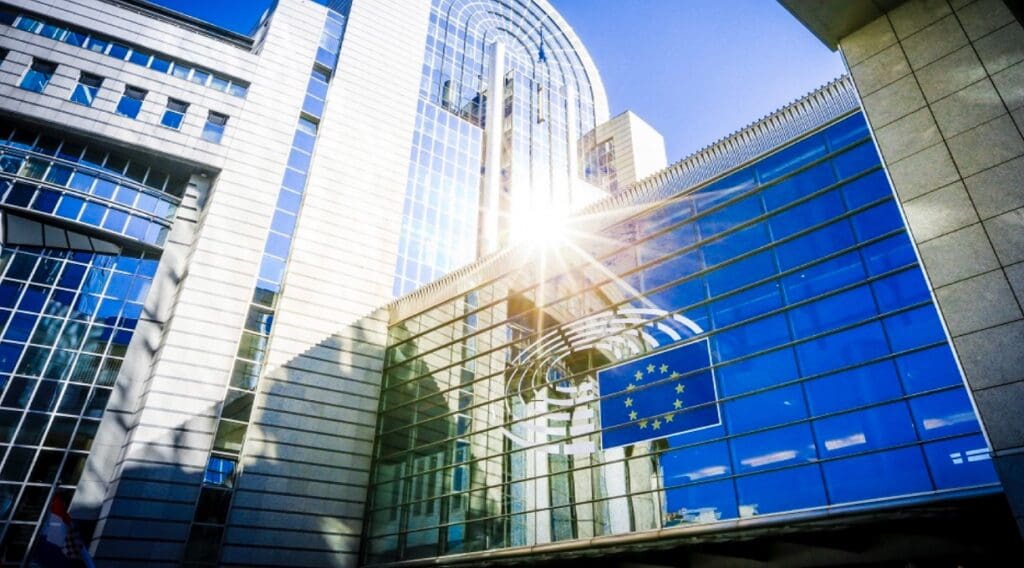
It is, of course, an opportune reflection of the cultural psyche currently spreading across the European market. Europe has, after all, been leading the charge when it comes to the legislative measures being adopted and implemented to shift business towards a more sustainable and responsible way of operating and the European Green Deal has offered a blueprint for much of the incoming legislation we can expect to see enter the UK landscape in the next two years.
But more than that, suggests Christian Ulrich, spokesperson of the executive board at Spielwarenmesse eG, the issue of sustainability has “actually led to a paradigm shift in the way toy companies think and act.” And anyone who knows of the traditions to which the global toy industry likes to hold itself knows that alone is no small feat. Nevertheless, sustainability is no longer seen as a trend within the toy sector, but instead “climate protection and sustainable commerce have become key business objectives.”
“Many businesses have long been working on effectively reducing their CO2 footprint, in production, for example, or in their choice of packaging materials,” Christian tells Products of Change. “At the same time, environmental consciousness has been steadily growing among consumers, too, and is playing an increasingly important part in the purchase decision.”
This has, it would come as no surprise, had a knock-on effect on the attitudes now being adopted by a retail landscape, too which now finds itself taking action to better meet the mindsets of customers more discerning about the environmental impact of the products they purchase today than ever before. In Germany, as well as a great deal of other markets, there are now independent retailers specialising in sustainable products.
“Sustainability holds many opportunities for the international toy industry,” says Christian. “It’s remarkable how great the spirit of inventiveness is – when it comes to reducing plastics, for example. And the development of bio-based plastics is making real progress.
“In addition, natural materials such as cork, bamboo, and rubber are increasingly being used in production. With such innovative solutions, manufacturers can meet the demands of a constantly growing segment of the market and continue to develop their business models.”
Then, there are the actions the show venue is taking itself to reduce its impact in alignment with the 2015 Paris Agreement to limit global warming to 1.5 degrees. It’s no small achievement hosting an international industry in its hundreds of thousands each year and Spielwarenmesse has been working closely with the site operator NurnbergMesse to achieve what Christian calls “ecological sustainability”.
For a start, the partnership has been utilising the newly constructed hybrid power plant consisting of battery storage and photovoltaic modules to make self-generated solar power a viable energy source for the show. Meanwhile, the number of e-charging points in the car parks around the exhibition site is being steadily increased. And last, but not least, travel on local public transport within the city region is included within the ticket price to the Spielwarenemesse, so – as Christian states: “we can make climate-friendly responsible travel available to everyone taking part in the fair.”
As for what the year has in store in sustainability terms, it starts at Spielwarenmesse with its Toys Go Green zone, housed this year in Hall 2, presided over by the Sustainable Toys Action Consulting team and displaying a “diverse range of sustainable toys that showcase innovative new approaches to product materials; packaging; manufacturing; and knowledge transfer.”
As for what’s next – that’s an agenda for the industry itself to set. And early signs suggest, we’re in for an interesting year.