

POC partner, The Ethical Supply Chain Program (ESCP) has exceeded its three‑year goals for supporting worker families, marking a major milestone in its mission to embed human‑centred practices across global supply chains.
According to the newly published Worker Well‑Being Impact Report 2025, ESCP has already extended the reach of its family‑friendly initiatives to 34,212 children by the end of 2025, surpassing expectations and setting a new benchmark for industry-wide progress.
The report highlights strong year‑on‑year growth in the programme’s core worker well‑being pillars, spanning childcare access, gender equality, fair workplace practices, and confidential worker support systems. In 2025 alone, ESCP programmes reached 12,075 workers and 13,509 children across 95 factories in China and Vietnam, providing critical support including childcare solutions and improved workplace policies.
Driving gender equality through scalable training
ESCP’s gender equality initiatives recorded some of the most significant advancements of the year. More than 5,000 workers took part in online or in‑person training designed to build equitable and safer workplaces.
Participating factories reported a 36% improvement in gender equality scores, underpinned by rising awareness of workplace violence — increasing from just 9% to 71% among employees who received training.
These findings reinforce the growing recognition that empowering women in supply chains is not only a matter of rights and dignity but also a driver of stronger, more resilient business performance.
Worker helpline reaches nearly 300,000 people worldwide
One of ESCP’s longest‑standing support tools — its confidential Worker Helpline — expanded its global reach dramatically. In 2025, the helpline assisted 298,000 factory and construction workers worldwide, providing guidance on workplace issues and safe avenues for reporting concerns.
Factories with access to the service have seen fewer unresolved labour disputes and growing trust between workers and management, showing how digital support tools can play a critical role in improving workplace culture.
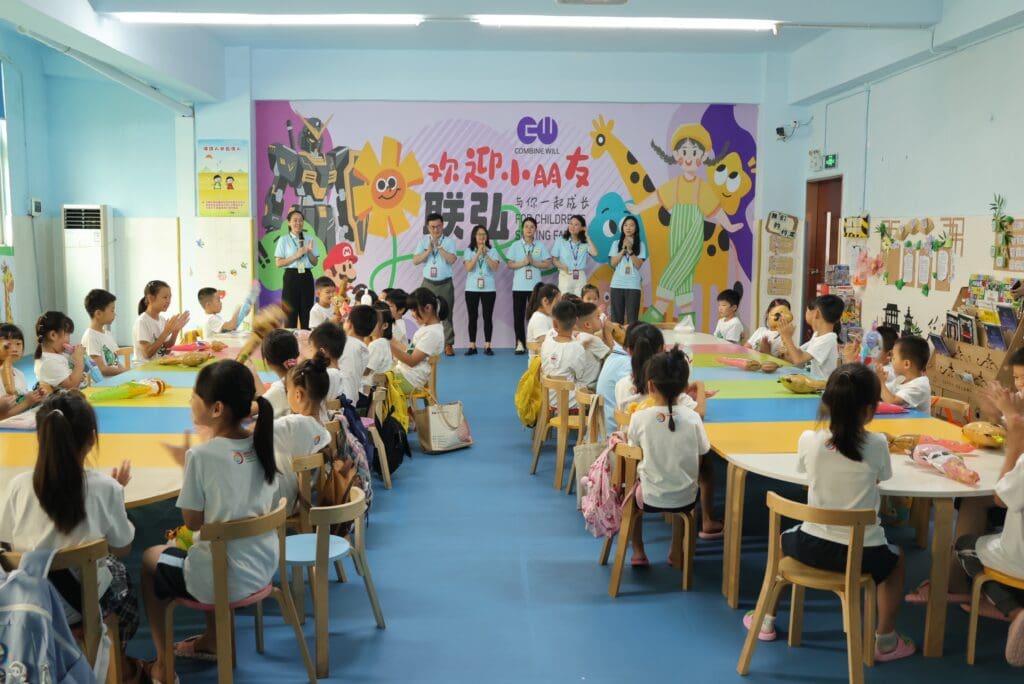
Last year also marked the tenth anniversary of ESCP’s pioneering Family‑Friendly Spaces initiative, designed to give factory workers’ children a safe, stimulating environment during working hours. Since its launch, the programme has supported 41,000 workers across 167 factories, cementing its position as one of the industry’s most impactful long-term well‑being initiatives.
The model continues to be praised not only for its direct benefits to children but also for boosting morale, productivity, and cohesion within factories.
“The scheme boosted the company’s reputation – outsiders envy our benefits. And inside the factory, the atmosphere has changed: parents are friendlier and departments feel like a family. It’s improved relations between HR and staff too.”- Mr Liu, factory manager, Guangdong province.
Carmel Giblin, CEO & president of ESCP said: “Protecting the rights and dignity of workers is not only the right thing to do but also good for business. This year’s report shows that when worker well-being is prioritized, we see measurable results for workers and their families, for factory performance, and for supply chain resilience.
“While we’ve made incredible progress already, our ambition is to go further, faster. This depends on collaboration and we are inviting organisations of all sizes and sectors to join us in scaling proven solutions that strengthen people and performance.”
Access the full report here.