
The European Commission has adopted new measures under the Ecodesign for Sustainable Products Regulation (ESPR) aimed at stopping the destruction of unsold clothing, accessories and footwear across the EU.
Announced on today (9 February), the new Delegated and Implementing Acts are designed to cut waste, reduce environmental impact and support companies that are already investing in more sustainable and circular business models.
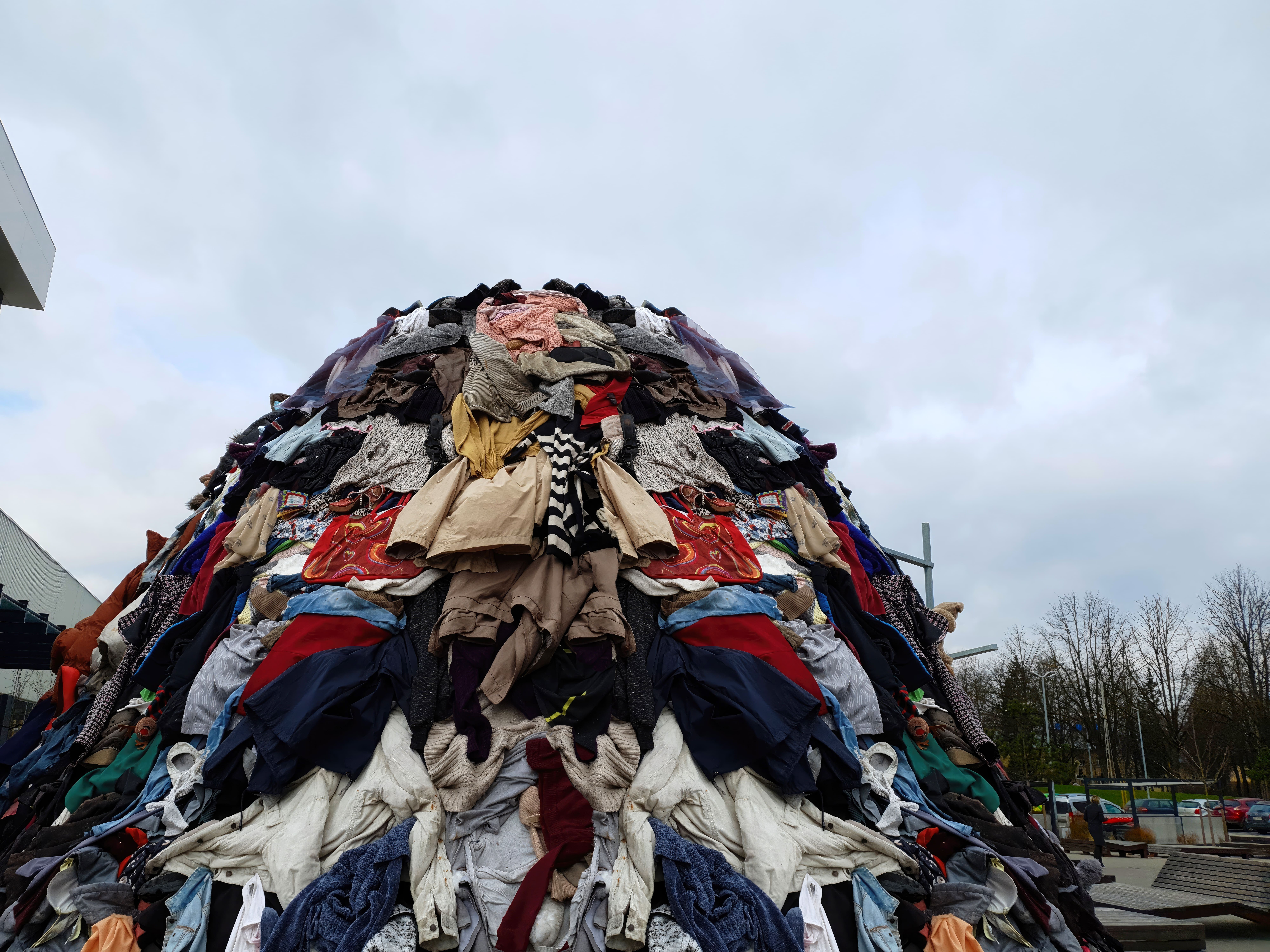
According to EU estimates, between 4% and 9% of unsold textiles in Europe are destroyed each year without ever being worn. This practice is responsible for around 5.6 million tonnes of CO₂ emissions annually – almost equivalent to Sweden’s total net emissions in 2021.
What the new rules mean for businesses
Under ESPR, companies will be required to disclose information about unsold consumer products that are discarded as waste. In addition, a ban will be introduced on the destruction of unsold apparel, clothing accessories and footwear.
The newly adopted Acts provide clarity on how businesses can comply:
- The Delegated Act: Sets out limited and justified circumstances where destruction may still be allowed, such as safety concerns or irreparable product damage. Compliance will be monitored by national authorities.
- The Implementing Act: Introduces a harmonised format for reporting volumes of unsold consumer goods that are discarded. These disclosure requirements will apply from February 2027, giving businesses time to prepare.
Rather than destroying stock, companies are encouraged to improve stock management and returns handling, and to prioritise alternatives such as resale, refurbishment, remanufacturing, donation or reuse.
Timelines for implementation
The ban on the destruction of unsold apparel, accessories and footwear will apply to large companies from 19 July 2026. Medium-sized companies will be expected to comply from 2030. Disclosure obligations already apply to large companies and will also extend to medium-sized businesses from 2030.
Commenting on the announcement, Jessika Roswall, Commissioner for Environment, Water Resilience and a Competitive Circular Economy, said:
“The textile sector is leading the way in the transition to sustainability, but the scale of waste shows that further action is needed. These measures will help the sector move towards more circular practices while boosting competitiveness and reducing dependencies.”
Why textiles are in focus
The destruction of unsold goods remains a significant issue across Europe. In France alone, an estimated €630 million worth of unsold products are destroyed each year. The growth of online retail has intensified the problem, with nearly 20 million returned items reportedly discarded annually in Germany.
Textiles represent a major share of this waste and are a priority area for EU action. Through the ESPR, the European Commission aims to ensure products placed on the EU market are more durable, reusable and recyclable, while supporting innovation and competitiveness across the sector.