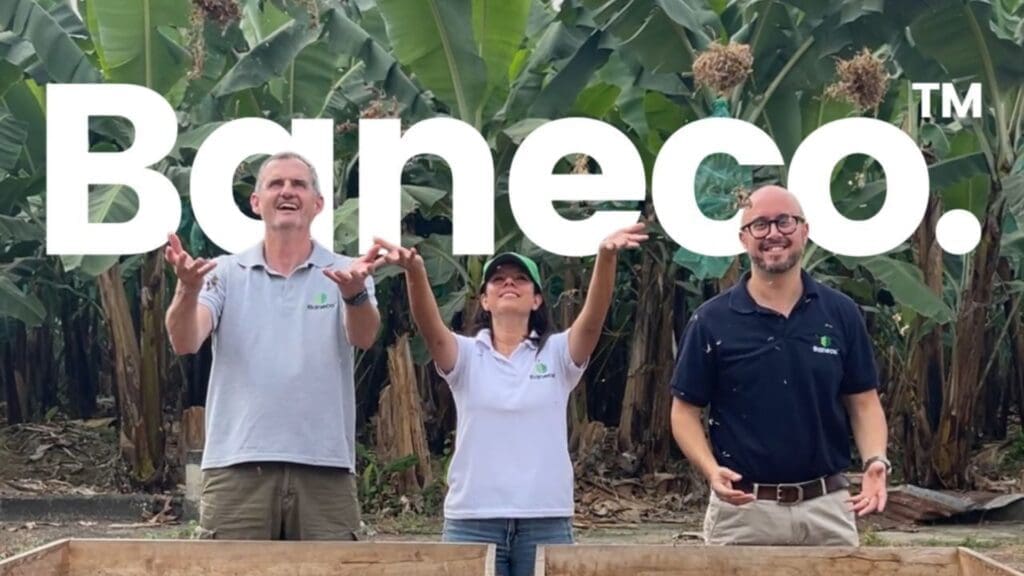

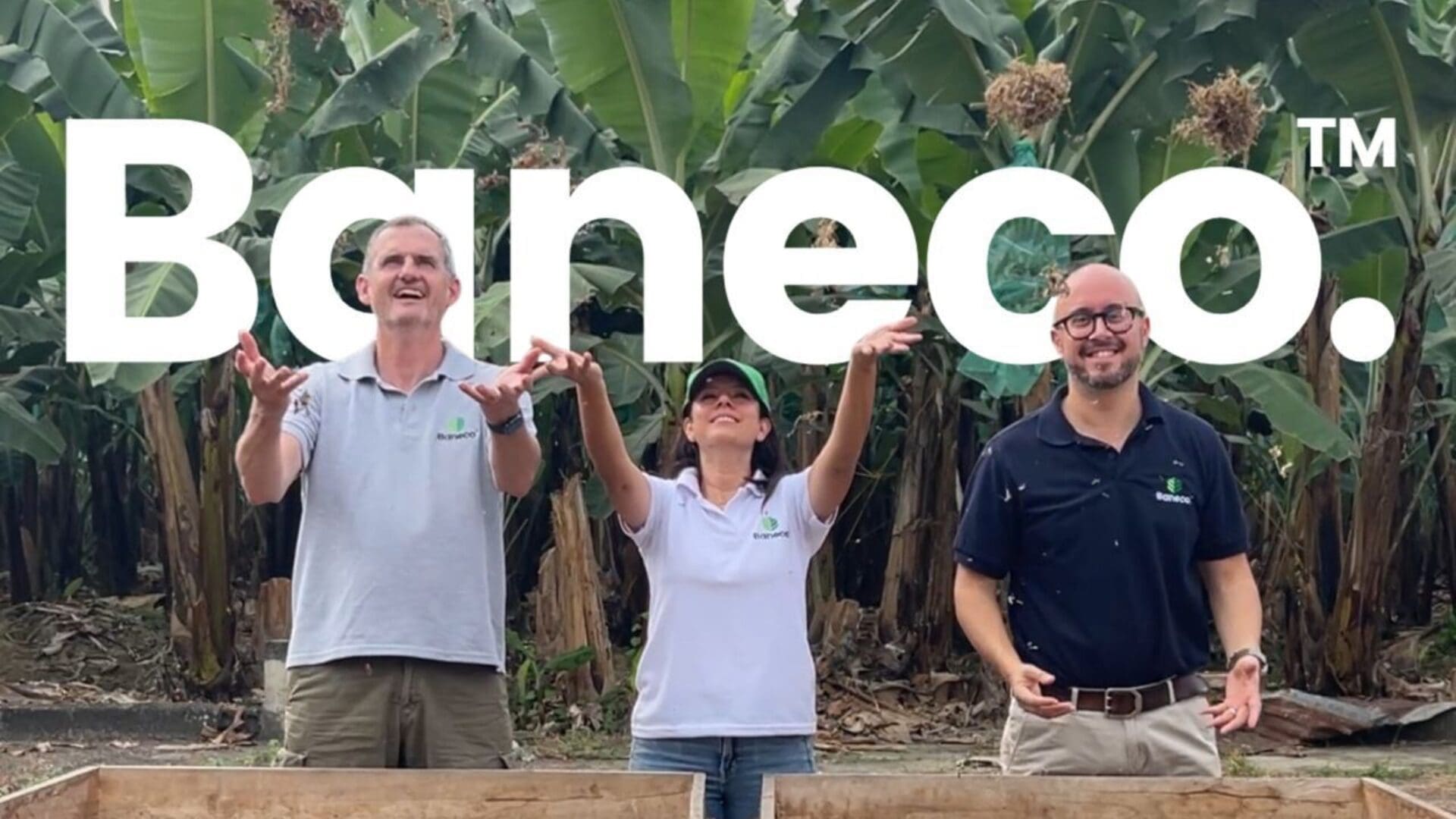
Products of Change is delighted to welcome a brand-new member into the Community, Baneco.
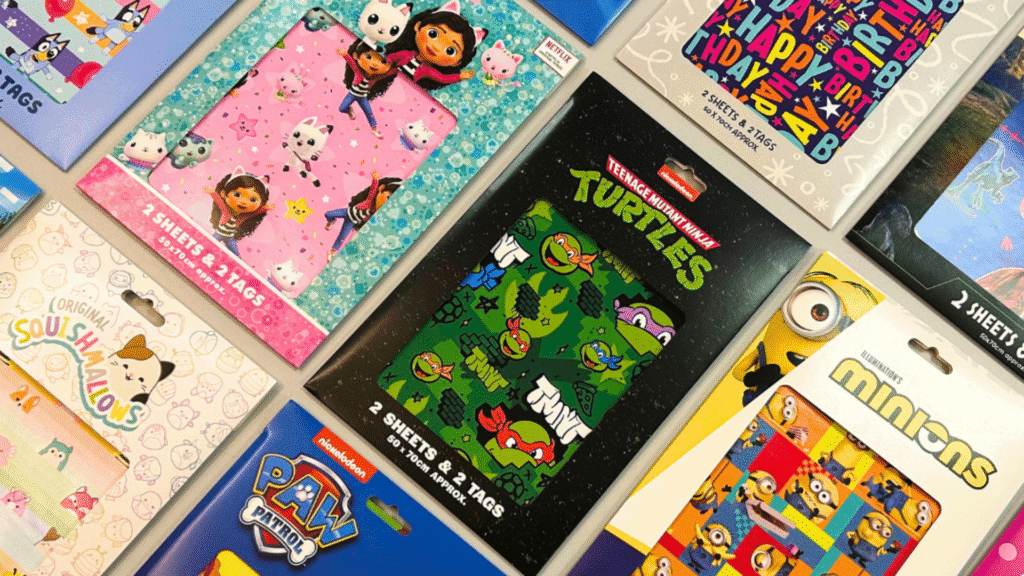
Baneco utilises the waste fibrous material from banana production to create paper and packaging, providing a commercially viable, low-carbon alternative to virgin material, using material that otherwise would have gone to waste.
The opportunities are endless, so we are excited to introduce Baneco into POC as the company continues to grow and unlock enormous possibility in sustainable packaging.
Only adding to the momentum, Baneco has also just been nominated for this year’s Earthshot Prize, one of the world’s most prestigious environmental awards.
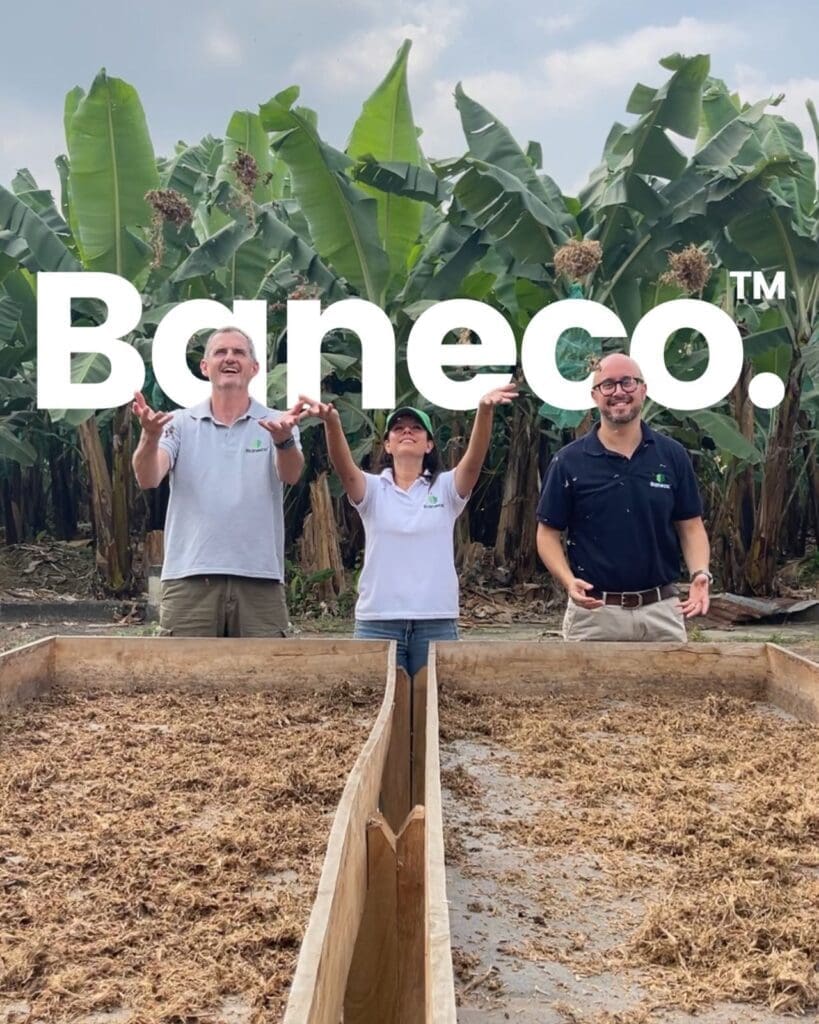
I caught up with Baneco co-founder and CBO, Richard Edwards to find out more about his organisation:
Tell me a bit about what you do
I’m co-founder of Baneco. We turn banana agricultural waste into industrial-grade fibre for paper, packaging and non-woven applications. We’re now operational in Ecuador, producing mechanically refined fibre and working directly with packaging manufacturers to integrate it into existing processes. Our focus is on making waste-based, low-carbon materials commercially viable at scale — not as a niche alternative, but as a credible part of mainstream supply chains.
What does sustainability mean to you?
Sustainability, to me, means building things that work economically because they work environmentally — not in spite of it. If a solution can’t compete on performance, price and reliability, it won’t scale, and therefore won’t have real impact. True sustainability shows up in repeatable operations, disciplined delivery, and long-term value creation for all (including, most importantly, the people that produce the material in the first place: farmers and their communities).
Why have you joined Products of Change?
We joined Products of Change because it brings together people who are serious about turning sustainability into action. The community sits at the intersection of materials, regulation, design and commercial reality — which is exactly where meaningful change happens.
What would you like to get out of POC membership?
We’d like to learn from others who are navigating similar challenges, particularly around materials substitution, regulation and scale-up. We’re also keen to contribute practical insight from the supply-side — sharing what it actually takes to move new materials from trials into repeatable commercial use.
Sustainability achievements so far to highlight?
In 2025 we moved from concept to commercial reality: establishing end-to-end operations in Ecuador, completing multiple industrial trials, producing finished packaging products on existing lines, and securing our first purchase order. We’ve also achieved a number of industry firsts using banana fibre, helping to demonstrate that agricultural waste can perform in demanding applications.
What about sustainability ambitions?
Our ambition is to make waste-based, first-life fibre a mainstream alternative to wood- and fossil-based materials. That means scaling responsibly, proving unit economics, supporting farmers through additional income streams, and helping customers reduce the true environmental cost of their packaging.
Thoughts on sustainability in the packaging and paper industry – challenges and opportunities?
The biggest challenge is moving beyond surface-level sustainability toward material truth — understanding the real lifecycle costs of different inputs. Regulation like EPR is accelerating this shift, which creates complexity but also huge opportunity. The opportunity lies in simpler, cleaner feedstocks, better data, and materials that integrate easily into existing systems. Those who can deliver on performance and sustainability will define the next phase of the industry.