
Apparel and textiles specialists, Pangaia and Goldwin have joined forces with the Japanese biotechnology start-up Spiber to build a global circularity solution for transforming end-use textiles and agricultural byproducts into new materials.
Spiber’s “biosphere circulation” programme is dedicated to transforming discarded apparel and textiles as well as agricultural by-products into nutrients for microbial fermentation and production of novel protein materials.
This pioneering methodology for upcycling biobased and biodegradable textile and agricultural waste aims to propel society towards the creation of fully circular textile products that can be regenerated into an innovative protein material known as ‘Brewed Protein’ at the end of their lifecycle.
The textile industry faces a challenge with textile recycling, with less than 1% of discarded textiles being recycled for new textile applications. Recognising the challenges involved in end-use textile recycling, Spiber is dedicating significant resources to developing a comprehensive circulation infrastructure aiming for commercialisation in the long term.
The company has been testing various types of fibres, dyes, and processing chemicals that are used to make apparel products to verify what can be efficiently digested into nutrients. This information is being used to inform the development of requirements for textile products which will be published in the future to ensure the industry has the tools needed to adopt this innovative process.
In support of Spiber’s vision, Pangaia and Goldwin have joined the programme in a collaboration that aims to catalyse the transition from a linear ‘take-make-use-dispose’ model to a circular ‘take-make-use-reuse’ model.
“Pangaia is delighted to explore the next phase of its partnership with Spiber by joining its biosphere circulation project. At Pangaia, we are focused on accelerating the development and broader adoption of problem-solving technologies and materials into the fashion industry,” said Craig Smith, research and development director at Pangaia.
“This project aligns perfectly with those goals and our research focuses by tackling one of the industry’s biggest and most complex issues – waste.”
The brands will support Spiber to accumulate valuable data and develop a comprehensive product design guideline that enables the decomposition of garments into biological nutrients, which can then be used as resources for production of upcycled materials. Furthermore, the brands will contribute to the advancement of product design guidelines applicable to a wide range of garment types, promoting industry-wide adoption of this sustainable approach.
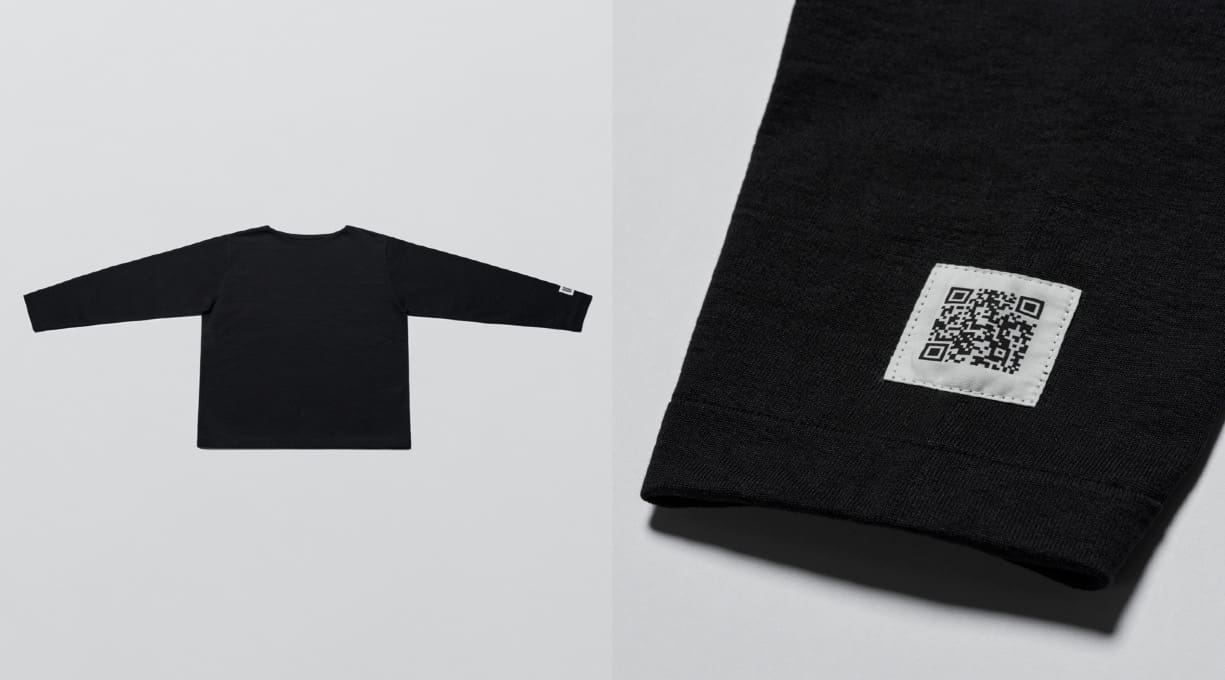
As a first step, Spiber has worked with Goldwin to create a demonstration product to identify potential challenges to be solved to further develop the guideline to design a fully circular final product the fashion industry can comply with.
The demonstration product will be prominently displayed at Innovation Hub at Future Fabrics Expo in London from 26 to 28 June. During the event, Kenji Higashi, EVP of business development, sales, and sustainability will participate in a panel discussion to shed light on the challenges encountered and provide insights on the dissemination of biomaterials and the circular economy.