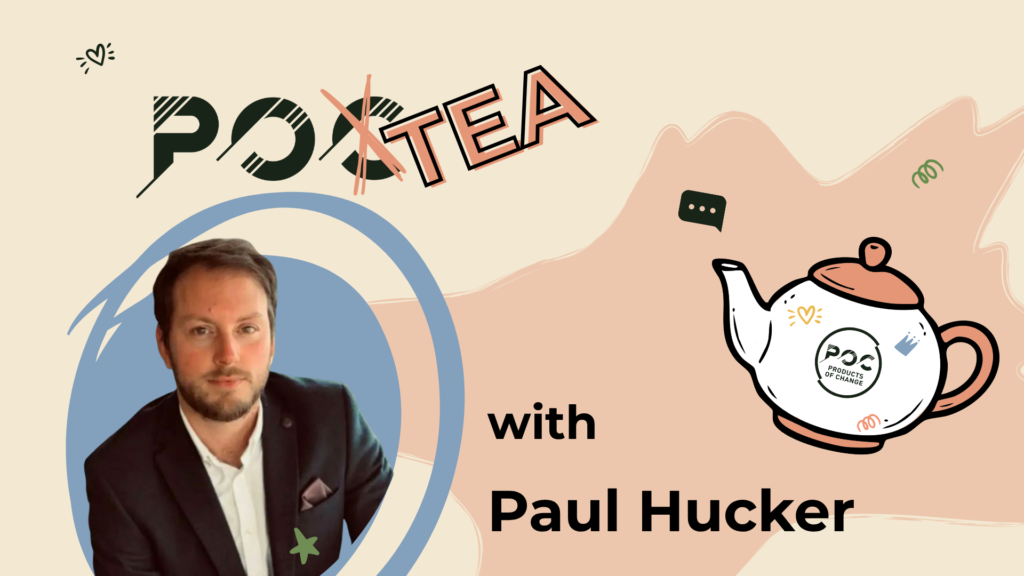

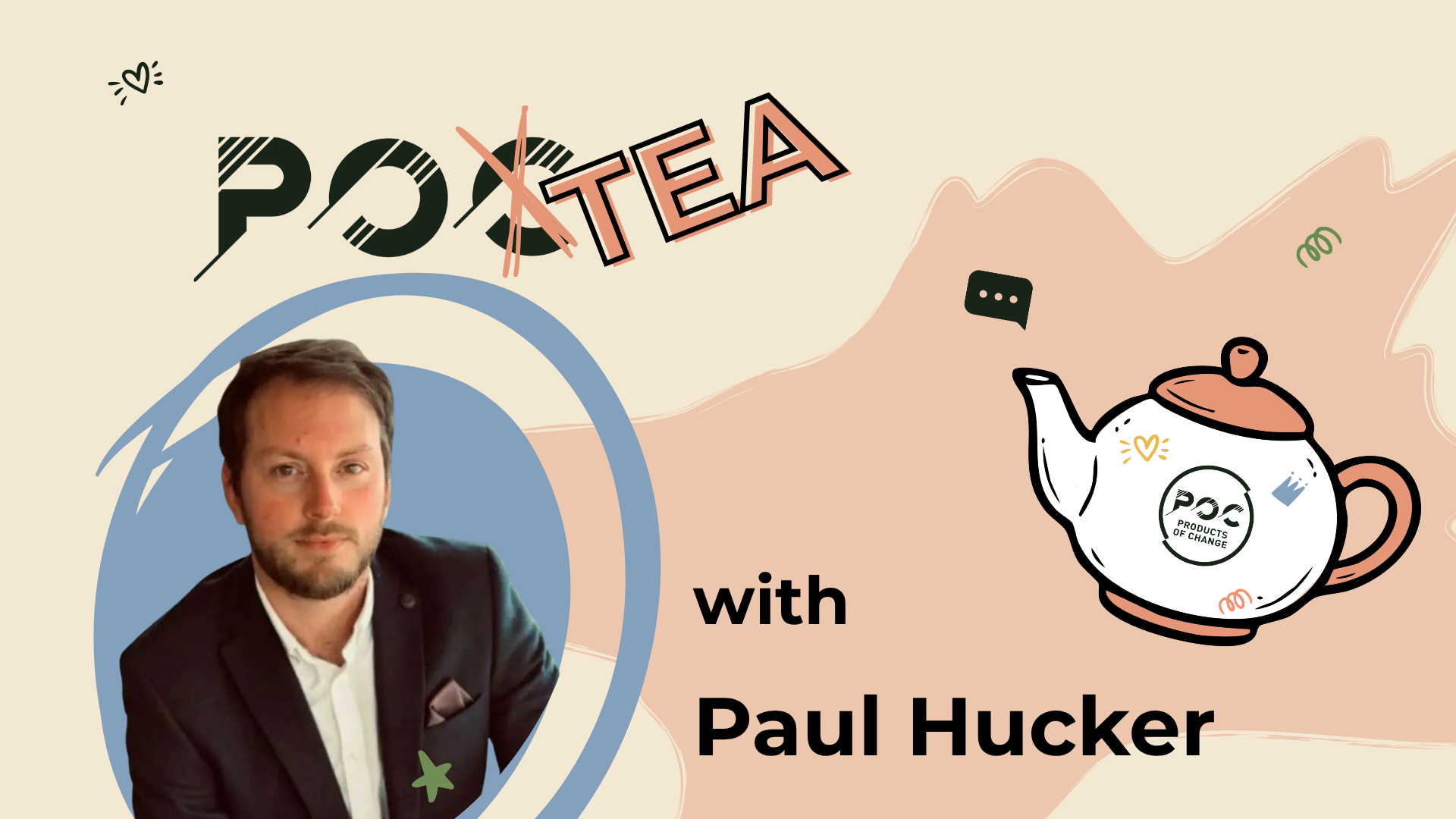
Join us for a cup of PO-Tea with licensing industry stalwart, Paul Hucker.
- Let’s get the most important question out the way first – how do you take your tea?
My perfect cup of tea actually starts with… a coffee. I can’t start my day without one.
But when I do have tea, it has to be strong, tea bag out, milk in and ideally paired with about ten chocolate digestives. That’s when it becomes the perfect cup. - How’s your summer been?
This summer was honestly one to remember. I took about twelve weeks off to properly reset and spend real time with my partner Juliet, my kids Evelyn and Archie, friends, and family, something I hadn’t been able to do in years.
I spent my days in the sun, gardening, paddleboarding to the pub, playing golf, playing cricket on the beach, and just having the best time at home we had so much quality time together.
It was exactly what I needed. And now I’m back, refreshed, recharged, and ready to focus fully on the work again. - What are you up to these days Paul? What are you setting your sights on next?
For over a decade, I’ve worked in the licensing software side of things, supporting licensors, licensees, and agents in managing their programmes and keeping their operations running smoothly. After taking some time off, I’ve launched Entry Alliance, where I’m using that experience to help teams strengthen their licensing operations and get more value from their systems.
A big part of what I’m doing now is providing operational and data‑entry support during busy periods. Many licensing teams are small but operate at a huge scale, and when workloads spike, data accuracy can slip. Entry Alliance steps in to keep systems up to date, maintain clean data, and ensure nothing gets missed. It’s support that helps teams stay on top of the detail and maintain momentum when things get hectic. - In your experience how do systems help teams keep on top of detail? And how do systems prevent knowledge leaving an organisation when people change?
Systems help teams stay on top of detail by providing a single, reliable source of truth. As licensing programmes grow, it becomes impossible to manage information through emails, spreadsheets, and shared drives. Licensing teams need structured systems that centralise data and make it easy to reference information quickly.
Systems also protect organisational knowledge. When processes and data live inside a licensing platform or CRM, they don’t disappear when someone leaves. Instead, information is captured, traceable, and accessible, allowing colleagues or new starters to pick up exactly where someone left off. This continuity is essential for operational stability and certainly helps during audit periods. - How do you balance needing structured data with the reality of real-world messy operational day to day?
Balancing structured data with real‑world operational messiness comes down to process. Clean, consistent data is essential for understanding business activity. My slogan over the years has been “good data in, great data out”. But day‑to‑day operations are busy, and that’s where things often slip, especially in smaller licensing teams managing large workloads.
Data management isn’t a one‑off task; it’s ongoing and, from a financial point of view, peaks after every quarter end.
When teams have clear routines and systems that support them, they can keep data structured even when the pace picks up. That’s where I’ve found real opportunity: helping teams stay consistent so the quality of their data doesn’t drop during busy periods. - How have you seen the industry’s reliance and use of systems evolve, especially as technology has developed?
The industry’s reliance on systems has evolved massively. Early in my career, even large organisations were still managing licensing operations through emails, spreadsheets, and shared drives, which simply isn’t sustainable as categories grow and data volumes increase.
Today, the shift has been driven by technology: AI, dashboards, automation, and real‑time metrics have become standard expectations. Teams now rely on systems not just to store information, but to analyse it, compare performance, and make faster, more accurate decisions. This evolution has also increased the need for clean, accurate data, because modern tools are only as effective as the information fed into them.
Overall, systems have moved from being “helpful tools” to being absolutely essential for scale, transparency, and operational sustainability. - How are systems supporting sustainability – and why are systems fundamental to sustainable progression in an organisation?
Systems play a critical role in supporting sustainability because they create structure, consistency, and transparency across the entire lifecycle of a product or process. When information is captured and maintained, it becomes accessible to everyone involved.
Reliable data is the foundation for innovation and positive change. It enables businesses to measure impact, track progress, and make informed decisions that reduce waste and improve environmental outcomes. Without systems maintaining a consistent, shared dataset, each company would operate differently, using its own methods and interpretations. That fragmentation leads to duplication, inefficiency, and ultimately a negative environmental impact.
Systems ensure everyone is aligned, working from the same information, and able to collaborate effectively. This is what makes them fundamental to sustainable progression: they turn sustainability from an aspiration into a repeatable, measurable, and scalable practice. - What’s your most memorable moment from your career so far? The good, the bad, or the ugly!
My most memorable moments actually fall outside the day‑to‑day work, they’re all about the experiences and the people. Things like the 5 Peaks Challenge, the Light fund treasure hunt, Licensing Expo and BLE, and all the brilliant nights out with clients over the years. Those moments really shaped my career and the relationships I’ve built.
There hasn’t really been an “ugly” part, but the toughest period was definitely the recovery after Covid. Getting the social side of the industry going again took time, and it reminded me how important those connections are.