
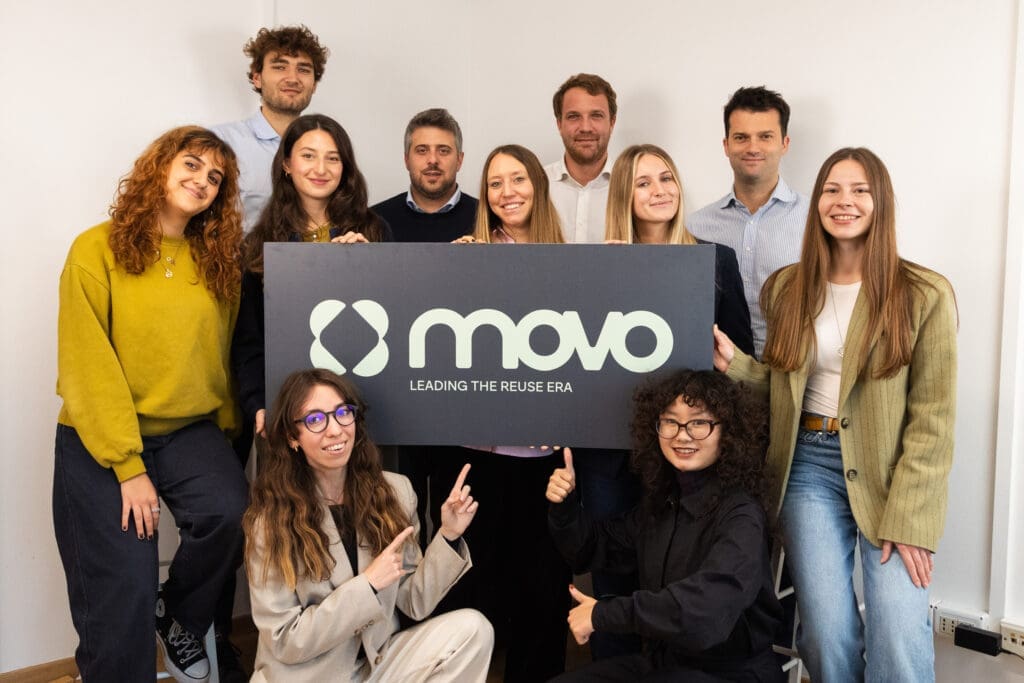
We would like to introduce and welcome to the POC Membership Community Movopack, a Milan-based company revolutionising sustainable packaging through circular systems designed for e-commerce, retail and B2B brands.
Founded by lifelong friends Tomaso Torriani, Alberto Cisco, and Andrea Cipollone, Movopack offers customisable, returnable packaging paired with an efficient reverse logistics system that helps brands eliminate single-use waste. Find out more from this innovative company in the Q&A below.
Movopack will also be joining POC for a webinar on 28 April on Rethinking packaging: From compliance to competitive advantage in e-commerce. Click here to register for your place.
1. Tell me a bit about what you do
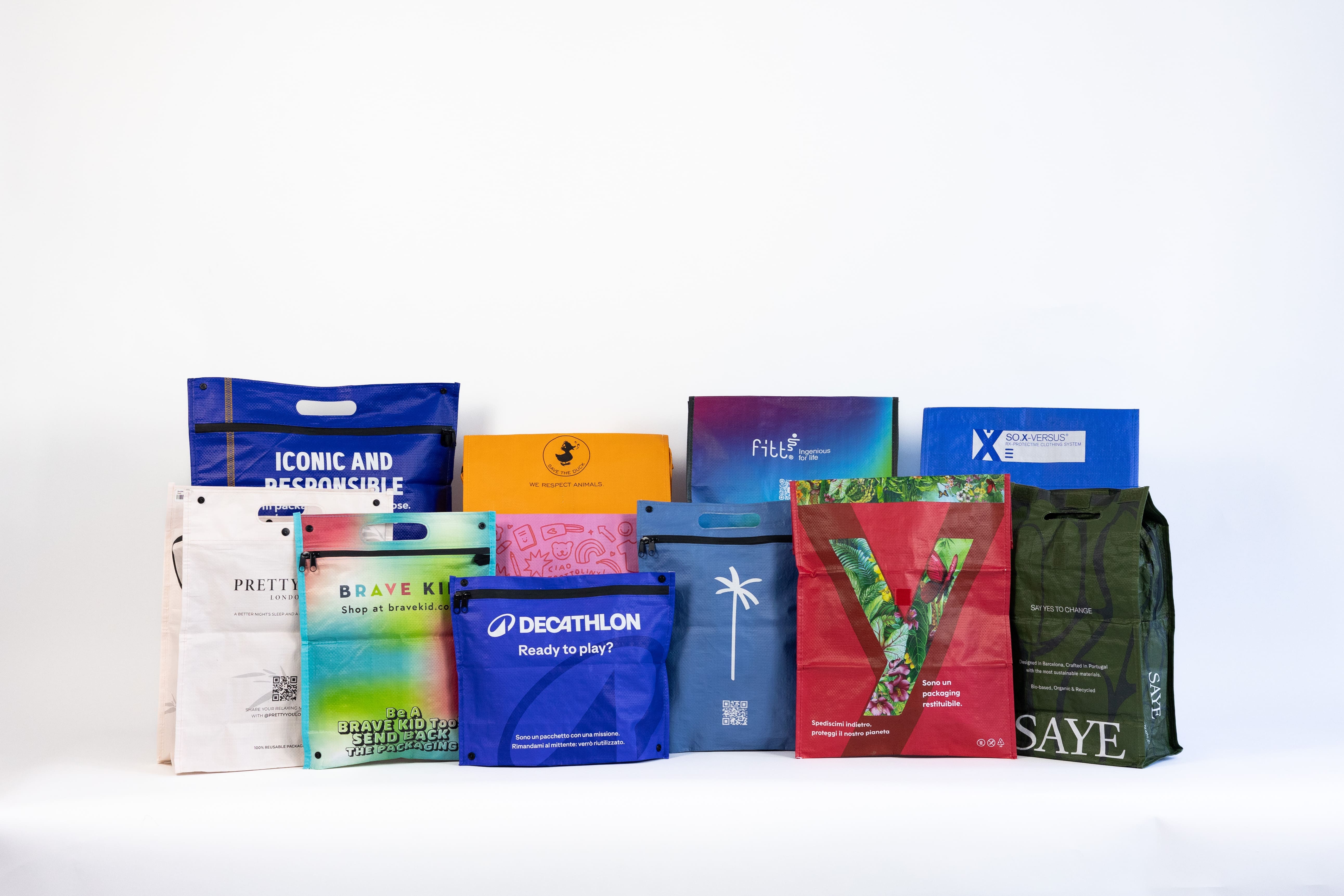
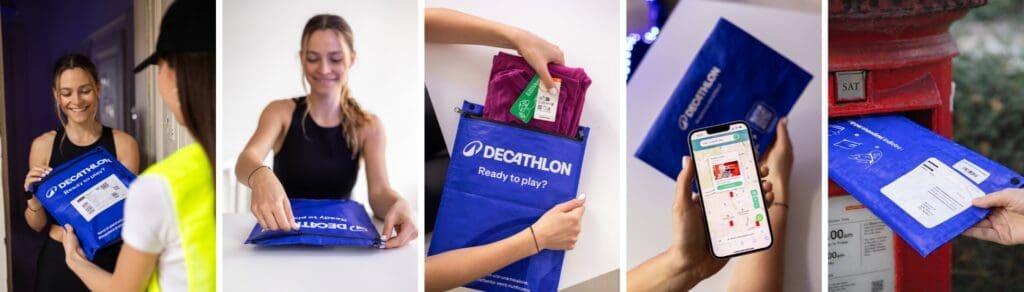
Movopack is a Packaging-as-a-Service (PaaS) company, revolutionising sustainable packaging through circular systems designed for e-commerce, retail and B2B logistics. We offer customisable, returnable packaging paired with an efficient reverse logistics system that helps brands eliminate single-use packaging waste.
Each year, Europeans generate an average of 188 kg of packaging waste, and over 11 million tons of plastic end up in oceans. Movopack addresses this by replacing single-use secondary packaging with a circular, tech-powered solution that reduces waste by up to 98% and cuts CO₂ emissions by up to 84%. Our packaging is designed for more than 20 reuse cycles, is fully customisable and is always tailored to client needs, with features such as Velcro closures, protective layers, and optimised sizes to prevent overpackaging.
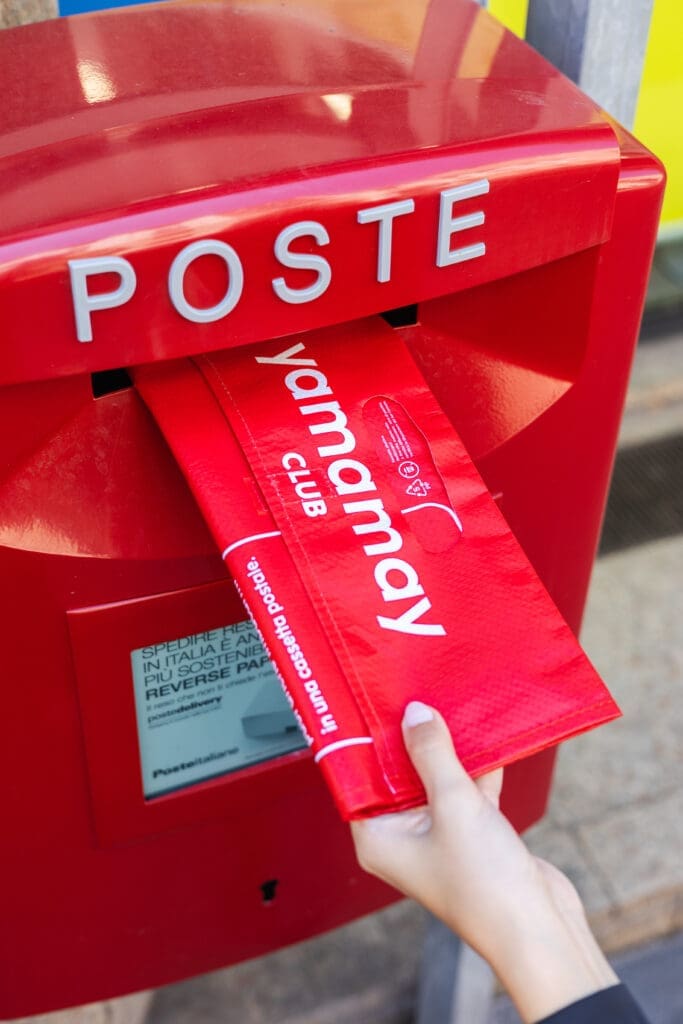
After the unboxing, final consumers simply fold the packaging and drop it in any postbox or take it back directly to the store. We manage the entire reverse‑logistics and refurbishment process across Europe, ensuring each unit is sanitised and redistributed.
2. What does sustainability means to you?
Sustainability is at the heart of Movopack. By providing a fully sustainable packaging solution we address the urgent need to move away from the traditional linear approach of “take, make, dispose.” Our system exemplifies a circular approach by maximising the lifecycle of each unit, minimising waste, and reducing the consumption of virgin raw materials.
Compared to traditional alternatives, each Movopack packaging unit prevents up to 98% of waste generation, according to our LCA study, lowering the amount of waste sent to landfills, incinerators, or recycling facilities abroad. We produce packaging once and reuse it for more than 20 cycles. Unlike conventional single-use packaging, which ends up in landfill after just one use, Movopack’s products are collected, sanitised, and redistributed, creating a closed-loop system. This system prevents waste generation and reduces the need for new virgin materials, decreasing the environmental footprint of packaging production.
3. Why have you joined POC?
We joined the community to connect with other members and exchange ideas on innovation and sustainability in the packaging sector, as well as on effective strategies for educating the market and shifting consumer habits toward more sustainable solutions. We are eager to share our experience with reusable packaging, its positive environmental impact, and how it can be smoothly integrated into scalable and profitable business models.
This is particularly relevant in the context of the UK’s Extended Producer Responsibility (EPR) regulatory framework, which places financial responsibility for packaging waste management on the companies that place packaging on the market, with thresholds that outline when the obligations apply. Reusable packaging changes this dynamic in two important ways: reusable household packaging only needs to be declared once, and Movopack retains ownership of the packaging while managing the reporting process.
4. What would you like to get out of POC membership?
We are excited to learn from the experiences and best practices of other members, hear their stories, and explore potential synergies with other POC community members that could help accelerate the impact of more sustainable solutions across the industry. Through this community, we hope to contribute our perspective and know-how, showing that reusable packaging can be simple and practical to implement, while inspiring other professionals who are facing similar challenges.
5. Sustainability achievements so far?
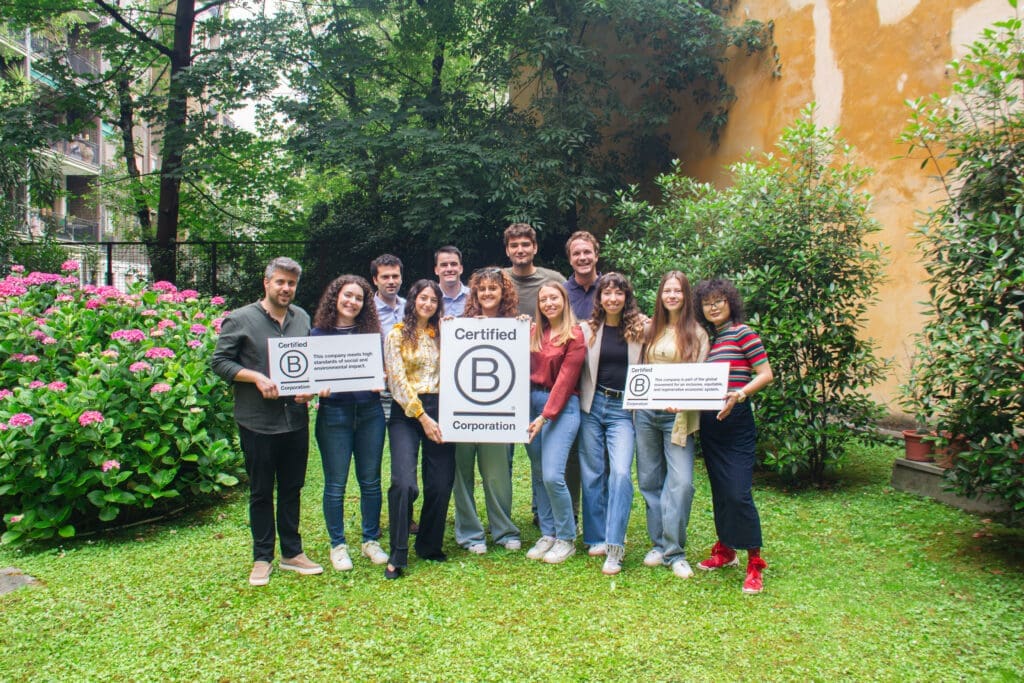
In May 2025, we officially became a certified B Corp, achieving a score above 100 and reinforcing our long-term commitment to sustainability and positive impact.
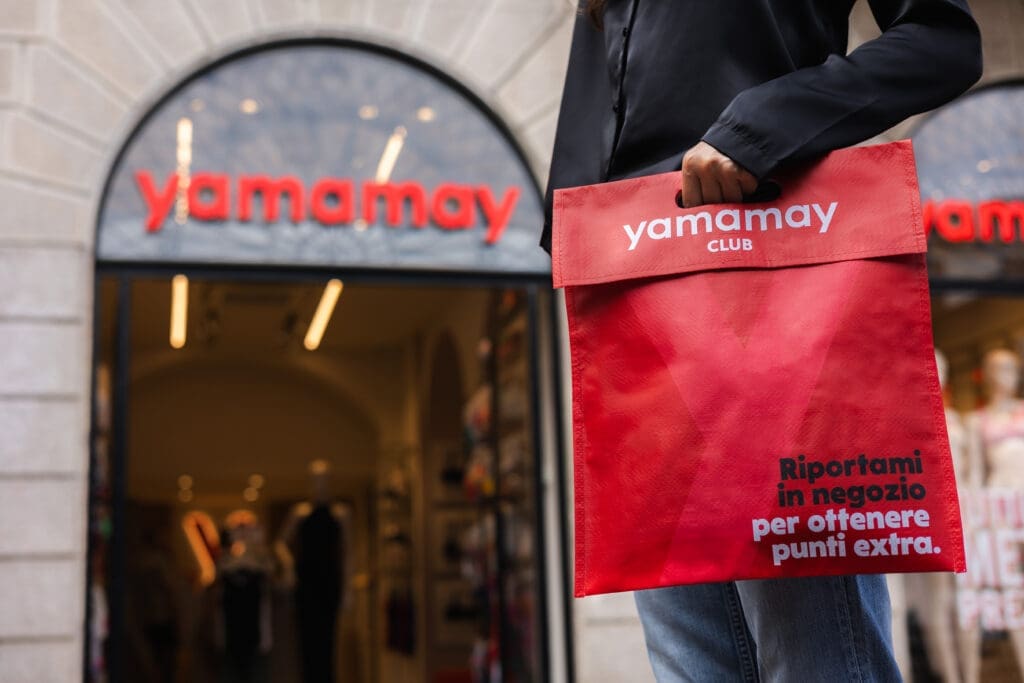
In September 2025, together with Yamamay, one of Italy’s leading lingerie and beachwear brands, we launched the first omnichannel reusable packaging solution, extending our packaging from e-commerce into physical retail stores and pioneering the first integrated omnichannel strategy for reusable packaging.
Last but not least, in 2025 alone, 68.571 kilograms of packaging never made it to the bin, simply because our clients chose to replace single-use cardboard boxes and plastic bags with reusable packaging.
6. Sustainability ambitions?
Of course, we’d like to see as many companies as possible switch to reusable packaging across Europe and the UK.
We aim to scale significantly and replace 500 million single-use packaging units by 2030. The more we grow, the more single-use packaging we can eliminate, reducing waste and preventing packaging from ending up in landfills.
Since a critical pillar of our model is maximising return rates, we have introduced a dedicated role – our head of product return, whose cross-functional mission is to continuously increase the return rate of our packaging. Although our return system is already simple and convenient for customers, we are continuously aiming at developing new incentives, partnerships, and digital tools to make returns even easier and more engaging for end customers.
7. Thoughts on sustainability in the packaging/e-commerce world – challenges and opportunities?
The e-commerce sector has grown rapidly over the past decade, but packaging has largely remained linear – single-use, resource-intensive, and designed to be discarded after one delivery – which creates a significant environmental challenge, especially as parcel volumes continue to increase.
Regulation is now accelerating change. In the UK, Extended Producer Responsibility (EPR) places greater financial responsibility on companies that introduce packaging to the market, while in the EU the upcoming Packaging and Packaging Waste Regulation (PPWR) is setting more ambitious targets around waste reduction and reuse. These frameworks are pushing brands to rethink packaging not just as a cost, but as a strategic lever for sustainability and efficiency.
One major challenge is that recycling alone cannot keep pace with the scale of e-commerce packaging. Even well-designed recyclable packaging still requires energy, material input, and complex waste management systems. At the same time, oversized boxes and excessive fillers are increasingly incompatible with both regulatory pressure and consumer expectations. And this is where the biggest opportunity lies – shifting from a linear to a circular packaging model. Our system allows packaging to be used multiple times, dramatically reducing waste, emissions, and resource consumption, as well as improving logistics efficiency, simplifying compliance with new regulations, and creating a more premium and memorable customer experience.