
Global sport signals meaningful progress across operations, logistics and energy transition as collaboration and innovation deliver measurable impact.
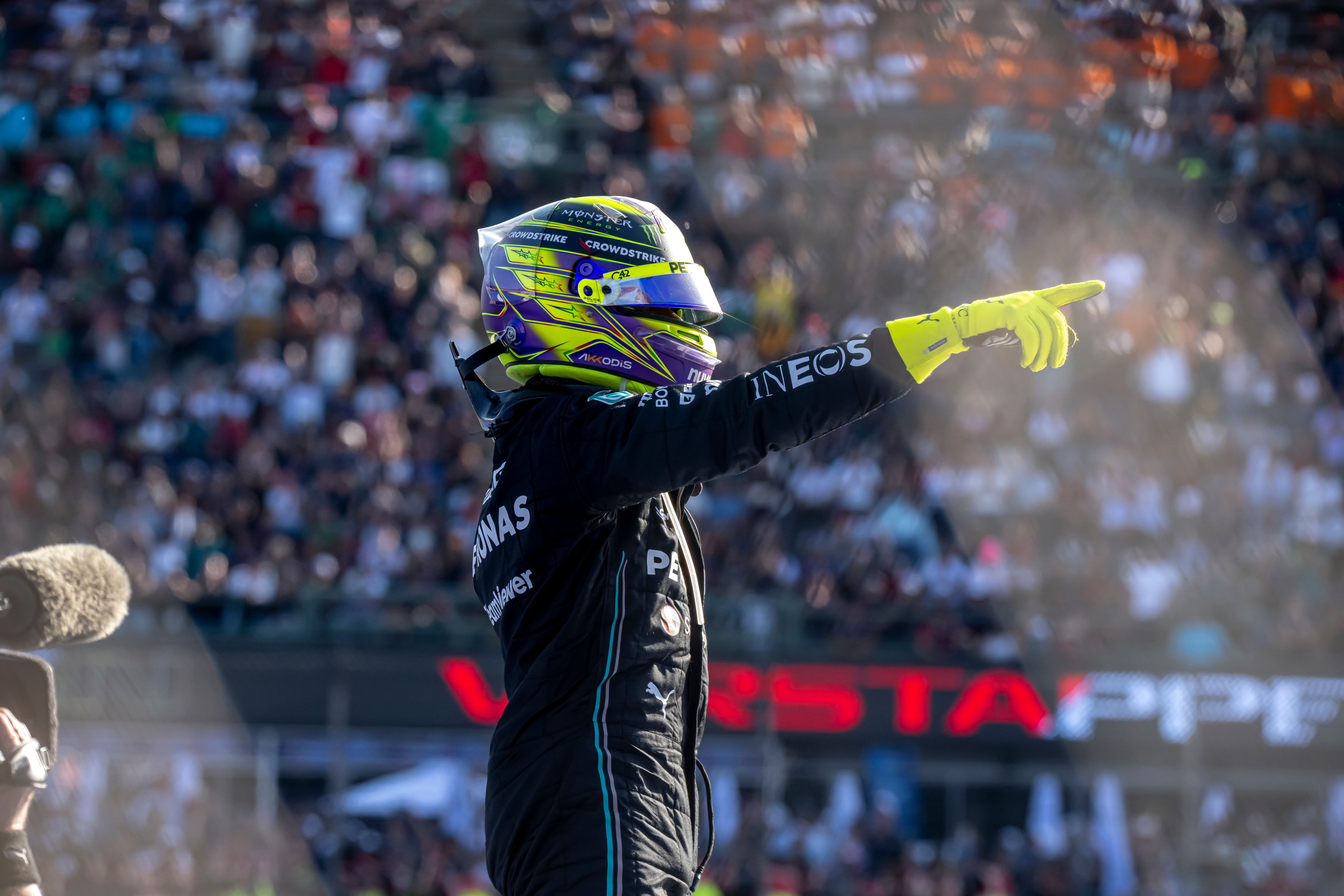
Formula 1® has reported a 35% reduction in its carbon footprint (including SAFc) against its 2018 baseline, reinforcing that the sport remains firmly on track to deliver its Net Zero 2030 commitment. The latest update highlights how coordinated action across teams, partners and promoters is translating into tangible emissions cuts—while the championship continues to scale globally.
A 12% year-on-year reduction versus 2024 underscores continued momentum, with gains driven across freight, travel, broadcast and event operations. In total, almost 80,000 tCO2e has been removed from F1’s operations since 2018—demonstrating the scale of change possible when an entire ecosystem aligns behind a common sustainability goal.
Driving systemic change across the sport
At the heart of Formula 1’s strategy is a shift in how the sport operates globally—particularly its complex logistics model. Moving freight away from air transport and toward sea routes and regional hubs will be a critical lever going forward, with a target to remove more than 50% of broadcast and related freight from air by 2030.
This sits alongside increasing investment in Sustainable Aviation Fuel (SAF) and emerging lower-carbon solutions across all freight modes, signalling a broader transition rather than a single-point fix.
Where the biggest gains are being made:
- Factories and facilities
Emissions down 64% vs 2018 (over 37,000 tCO2e saved), powered by the shift to renewable energy across team and partner sites. - Travel
Down 27% vs 2018 (over 21,000 tCO2e), with further reductions expected through SAF expansion and remote broadcast operations. - Logistics
Down 29% vs 2018 and 21% vs 2024, driven by more efficient, lower-carbon transport solutions across land, sea and air. - Event operations
Reduced by 17% per race despite calendar growth from 21 races in 2018 to 24 in 2025, reflecting stronger collaboration with promoters and adoption of renewable energy on site.
Key 2025 milestones:
- First full integration of lower-carbon solutions across all freight modes
- SAF investment doubled, cutting air charter emissions by around 40%
- Launch of sustainable maritime fuel initiatives for sea freight
- Low-carbon energy systems deployed across every European race, including HVO, solar and battery solutions
Industry-wide collaboration at scale
Formula 1’s approach highlights a key learning for the wider licensing, sport and entertainment industries: systemic transformation is only achievable through cross-value-chain collaboration.
From teams and governing bodies to promoters, broadcasters and partners, the sport’s progress reflects a united commitment to measuring impact and acting on it—rather than treating sustainability as a siloed initiative.
Leadership perspective
Stefano Domenicali, president and CEO of Formula 1, emphasised the importance of results-driven action:
“We act and show our achievements through facts, not just words… we have reduced our footprint while continuing to grow and reach new audiences.”
Ellen Jones, Head of ESG, reinforced the role of innovation:
“These actions demonstrate our continued determination to lead through sustainable innovation… showing that global-scale operations can evolve without compromising performance or spectacle.”
The bigger picture
With future initiatives including the Future Race Operations Programme and further calendar rationalisation from 2026, Formula 1 is positioning itself as a case study for how high-performance global brands can balance growth with environmental responsibility.
For the wider brand and licensing community, the takeaway is clear: sustainability at scale is no longer theoretical—it’s operational, measurable and increasingly expected.