BBC Studios and Moose Toys share how working together across brand, licensing, product development and sustainability has helped challenge conventional thinking, transfer knowledge and accelerate innovation.
- Anita Majhu, FMCG and Brands & Licensing Sustainability Lead, BBC Studios
- Greg Simmons, Director of Sustainable Product Development, Moose Toys
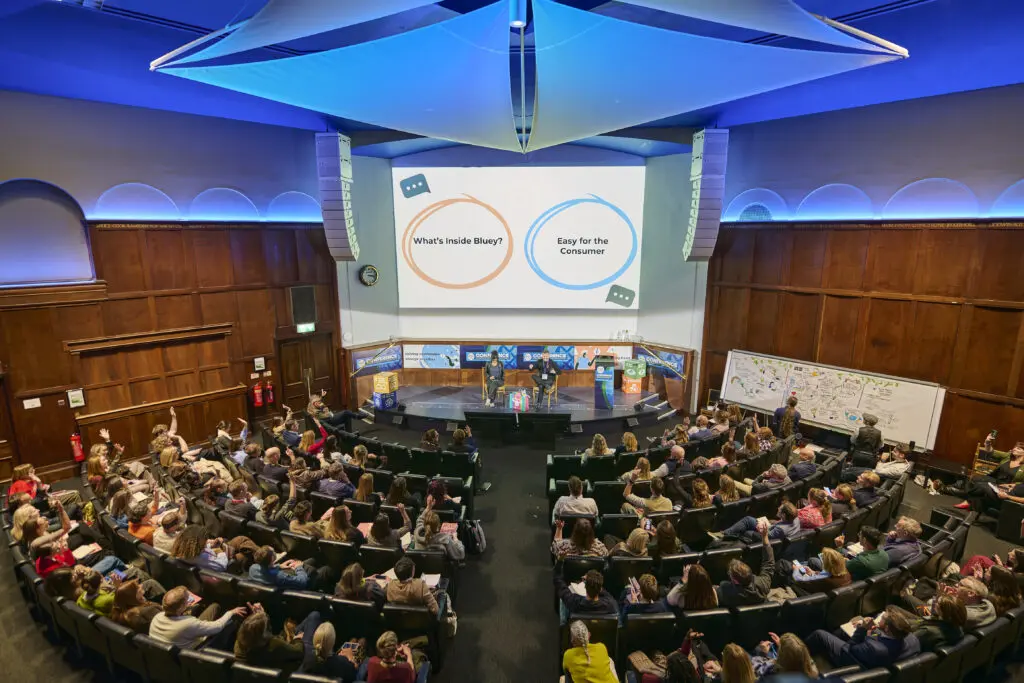
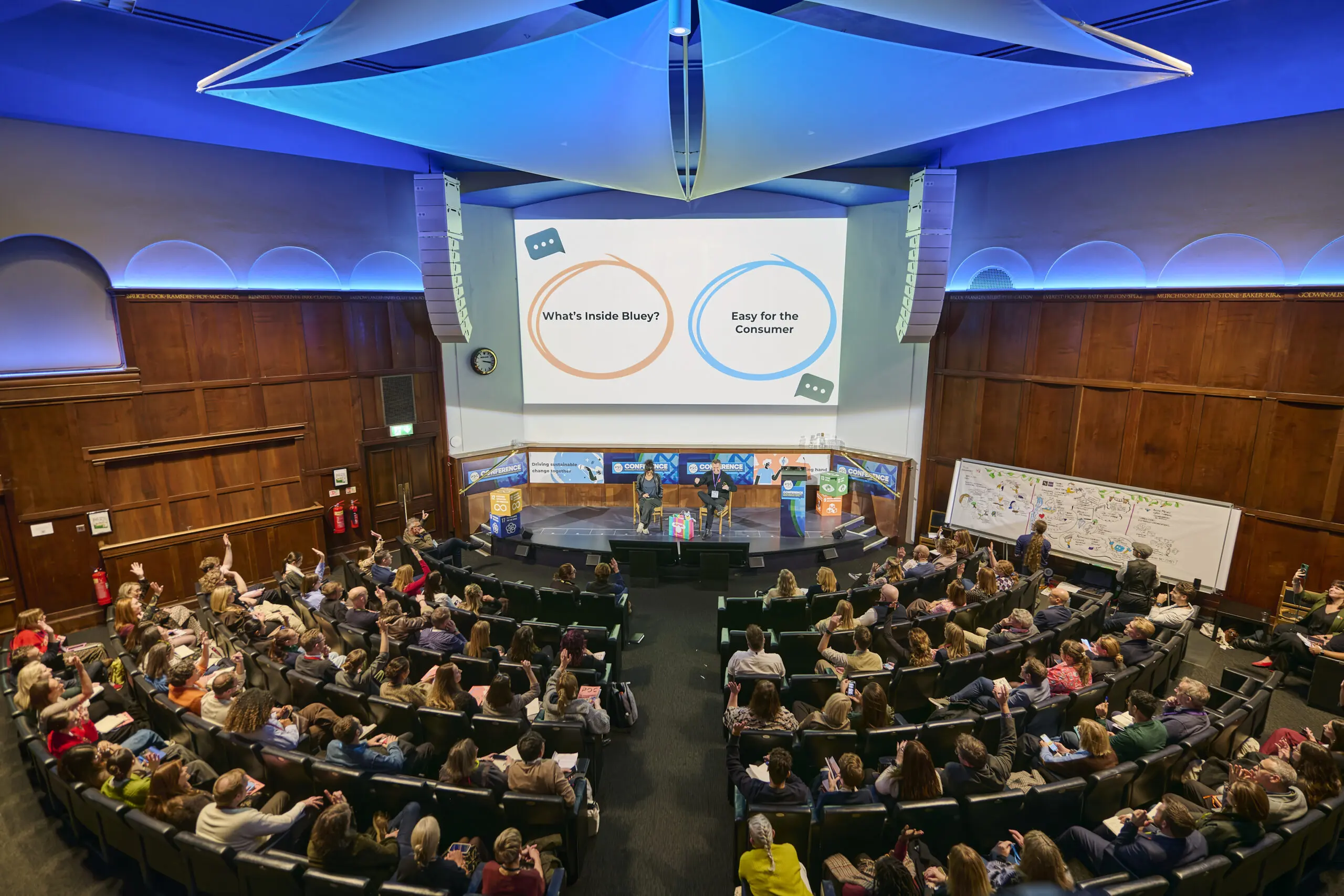
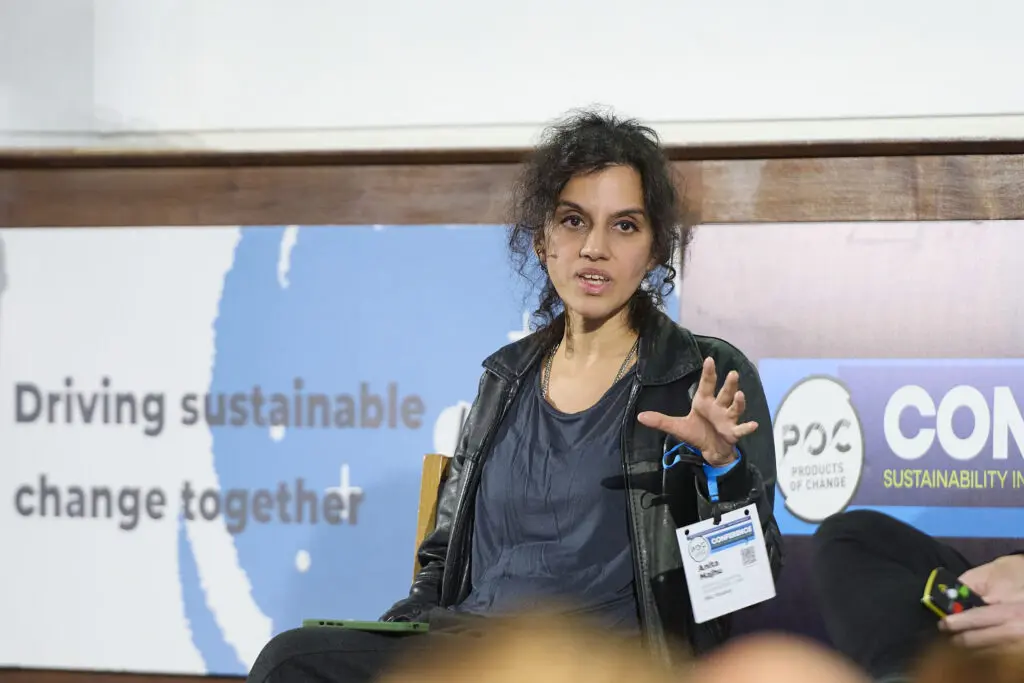
Anita and Greg decided to mix up the format of their presentation and allowed the audience to pick the questions they covered.
In the first choice between ‘Shared goals, different organisations’ or ‘Small change, big win,’ the audience went with ‘shared goals, different organisations.’
Greg from Moose began, saying that its sustainability journey started four years ago, which was a different financial and social climate, but Moose listened to what the market was saying and in 2023 established SBTi targets, a process which took two years.
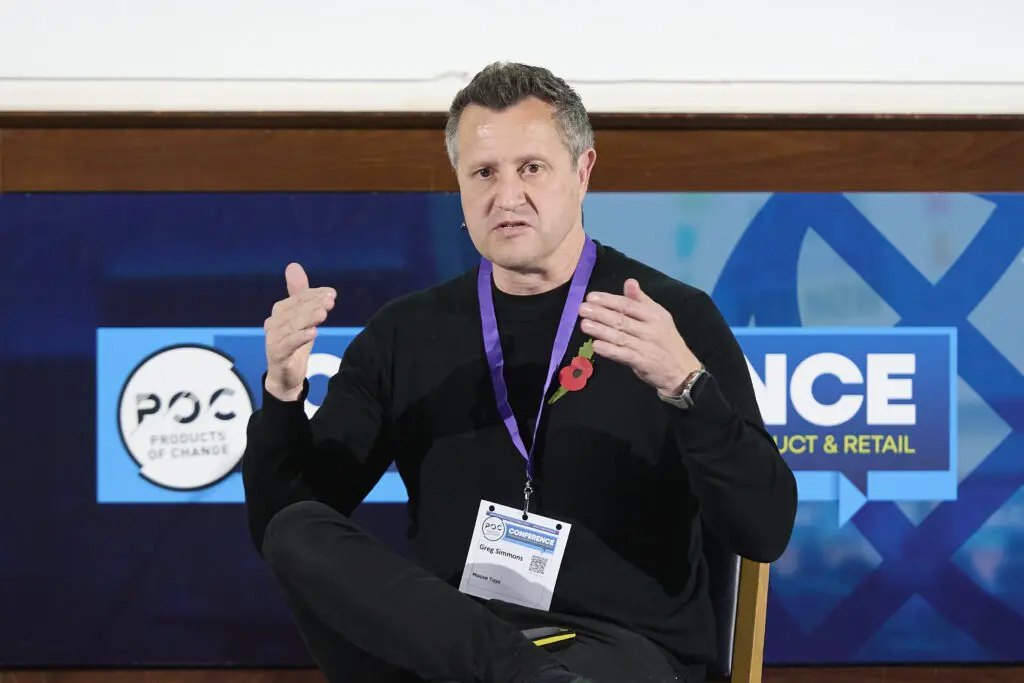
“It makes you aware of what your business was doing; it’s important for your business relationships and establishing what are shared goals,” said Greg. This included its relationship with the BBC which was simultaneously establishing similar targets.
“It is important to come together in acknowledgement that “while we may approach it from different directions, we are committed to arriving at the same destination,” said Anita. And that is their net zero commitment.
“Our biggest customers had net zero goals,” said Greg, so alignment on that was valuable.
Anita added that “we need to acknowledge we sit in a very complex value chain but consumer products do create impact and we have to accept that it is something we need to address.”
BBC was able to provide clarity to licensing partners on what was important to them, and engage them on how to go about it. With Moose, it was aligned on the most important goal which for them was net zero “and as a result obligated us to explore lots of ways in how we get there,” Anita said.
The next question to the audience was: ‘What’s inside Bluey?’ or ‘Easy for consumer?’, with ‘What’s inside Bluey?’ taking the win.
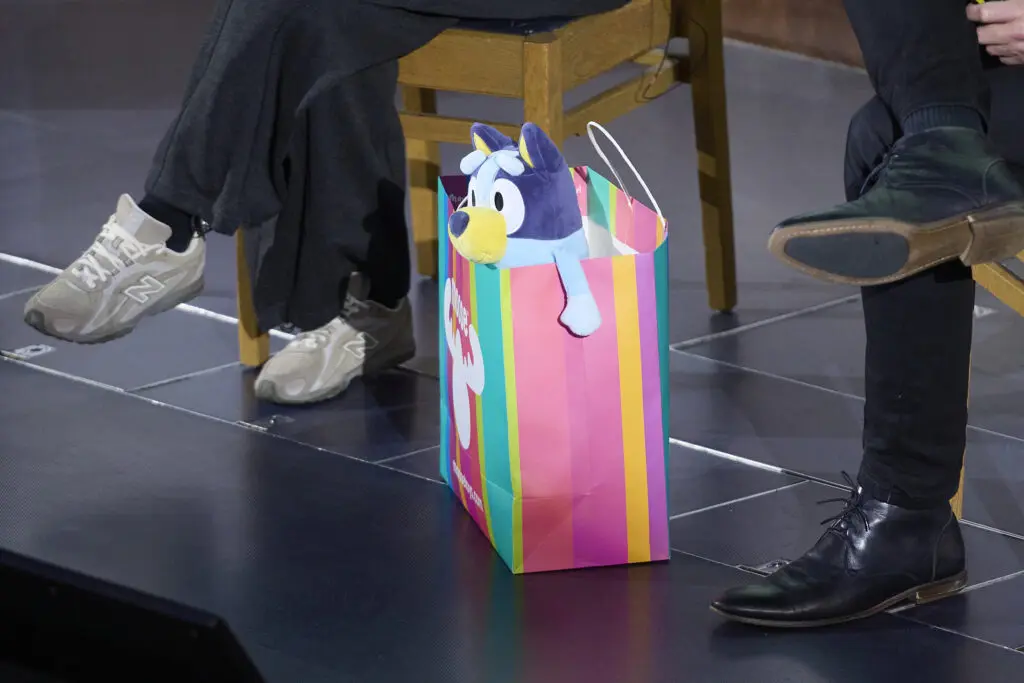
Greg explained how a while back, Anita said she wanted Bluey to be made from recycled content, a process that took two years due to the challenges.
“We make a global product, which means when you have a regulation you end up with lowest common denominator.” Since Pennsylvania has a law against recycled content in toys, and one of their retailers was Walmart, sold there, it was not possible to introduce until the law change. But the law did get changed, which Moose tracked to be ahead of it.
Moose took up the challenge and involved product design, legal teams, OEMs, and had to do due diligence on materials to be GRS certified. “It was really hard to get there,” said Greg, but now, through its work with its suppliers, Moose tries to incorporate recycled content into all its plush toys, not just Bluey.
“We are both committed to doing what we can and is reasonable,” said Anita, which means a lot of what the BBC does is not visible. But “there is an obligation that consumers expect this to be happening for them, they expect products to perform.”
The toys still have impact but less impact, and they can use its scale to create wider impact.
“It was recognising we wanted to make changes but we weren’t able to make changes as quick as we’d liked,” said Anita.
It is really important that product provides its function, as “we are in the business of joy,” Anita commented, so “when we can do things, we should be doing things.”
Moose’s Bluey toys are not yet 100% recycled content but the process has been implemented and that journey has started which can be progressed upon; it is important to just start.
“These things take a lot of time to work through, so start thinking about what you want things to look like in a future state,” said Anita, “You don’t get to that point without smaller changes.”
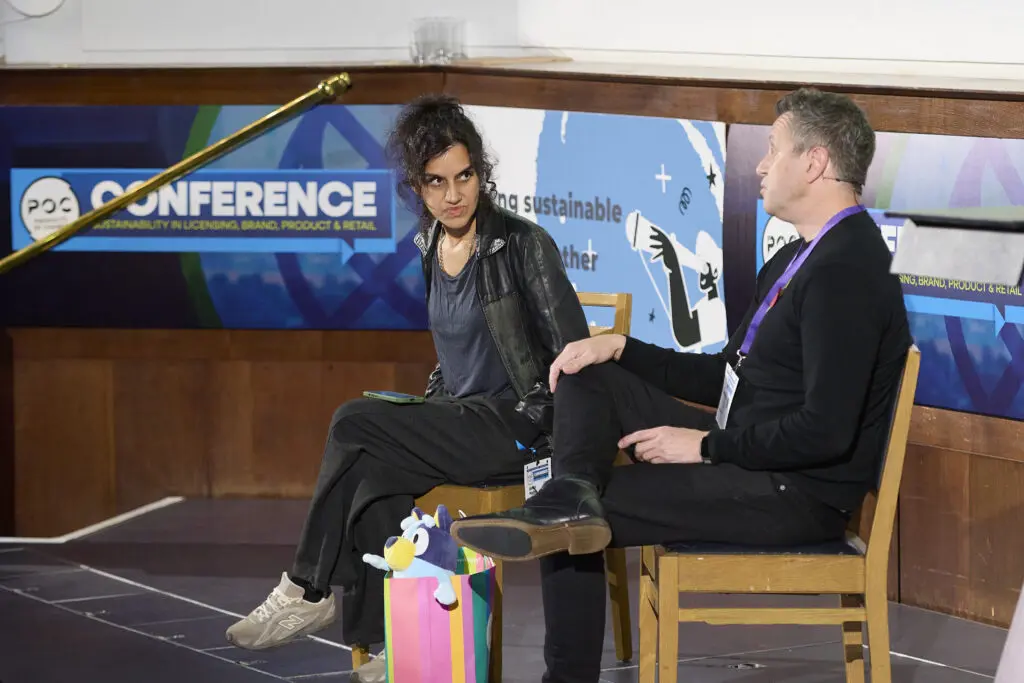
As a final question, the options were: ‘Reality of working together’ or ‘Non-negotiables,’ with the latter taking the lead.
“Sustainability should not be considered to compromise the product,” said Anita. Product is a really important touch point for a brand, she continued, it encourages loyalty and engagement, “So integrity, stewardship of brand, and performance are non-negotiable. We want to make our footprint more responsible but we don’t want to take away anything from the product.”
For Greg, the non-negotiable is safety first, for compliance and durability.
Anita and Greg both expressed the importance of an active dialogue and shared agenda to discuss requirements.
“The sign of a good partnership is you can bring an unfinished problem into the equation, not just a success story,” said Greg.
It’s about better data, materials and shared learnings and getting clear on what you can get behind consistently.
“While it can on the surface appear complex, there is a lot that you can get done by being clear about expectations and discussing with licensees who can provide technical knowhow,” said Anita, “We know we have made a commitment to do our bit.”