
Products of Change is delighted to introduce its New Member, Klugonyx, to the POC Community and share a bit about the company’s work.
Klugonyx is a product development company specialising in product design, product engineering, factory sourcing, and production management for consumer brands. Based in Utah, it helps startups and established brands bring new products to market, source trusted factories, and scale manufacturing.
1. Tell us a bit about what you do
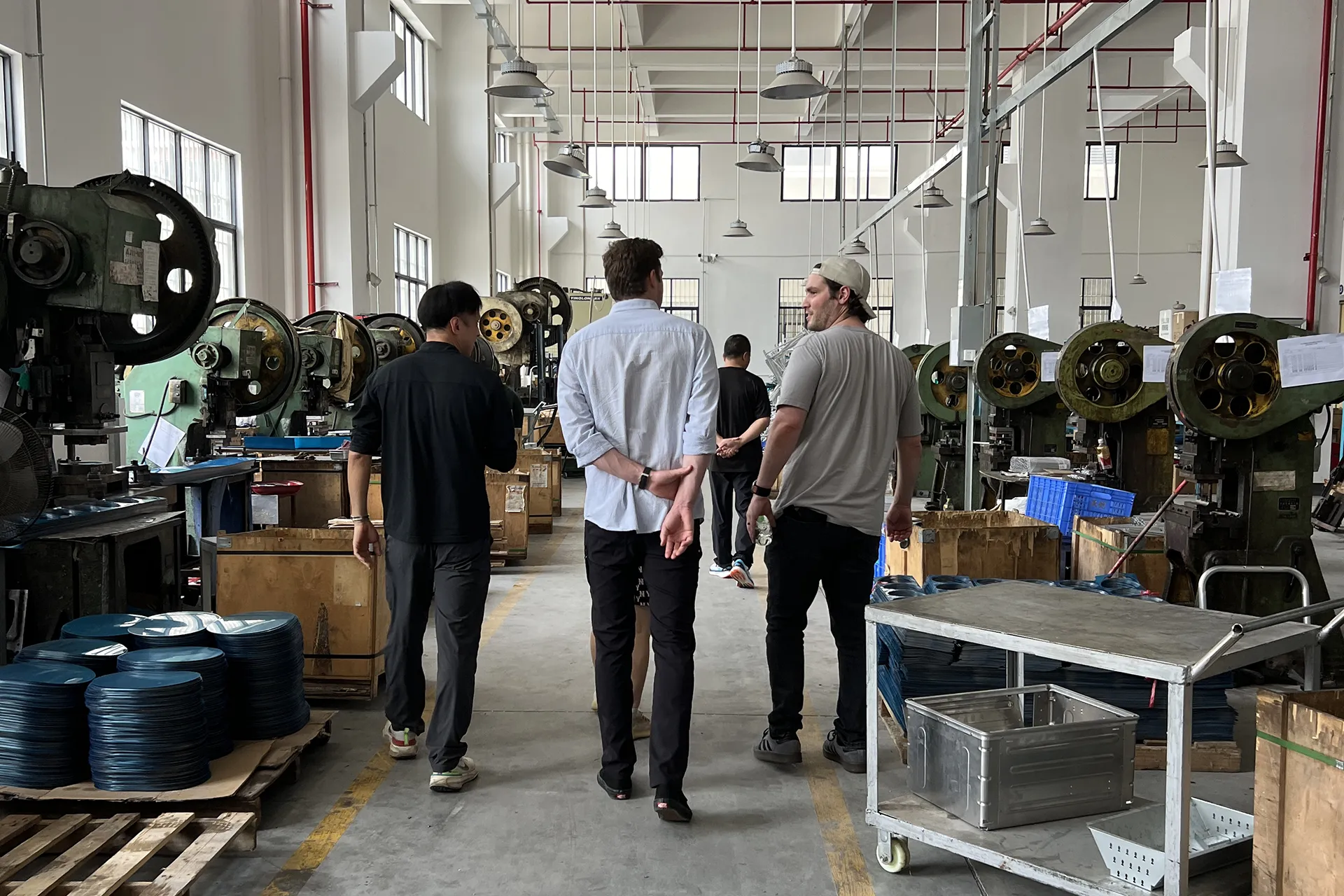
Klugonyx is a product design and development firm for growing brands. Klugonyx has a USA product development headquarters in Salt Lake City, with a manufacturing and sourcing headquarters in Asia. We work with consumer product founders and brands at every stage, from early concept and engineering through to production. The short version: we help bring physical products to life.
2. What does sustainability mean to you?
For us, sustainability starts at the design stage, and that’s exactly where most of the damage gets done or avoided. The decisions made early in a product’s development, around materials, construction, manufacturing process, and packaging, lock in most of its environmental footprint before it ever ships. We think about sustainability as a design constraint, not an afterthought. It means asking hard questions upfront: does this product need to exist in this form? Can it be made with less? Can it last longer? We don’t have all the answers yet, but we think asking the right questions at the right time is where our leverage is.
3. Why have you joined POC?
Honestly, because the conversation that POC is driving is the one that needs to happen in our industry. A lot of sustainability talk in consumer products stays at the brand level, marketing claims, certifications, commitments. POC is pushing it upstream into design and manufacturing, which is where we live. We wanted to be part of that community and contribute from the product development side of the equation.
4. What would you like to get out of POC membership?
We want access to better frameworks for advising our clients on sustainable material choices and manufacturing decisions, things we can actually act on at the development stage. We also want to connect with brands and manufacturers who are taking this seriously, because those are the partners and clients we want to be working with.
5. Sustainability achievements so far
We’ll be straightforward: we don’t have major wins to point to yet. We’ve helped clients spec products using recycled and alternative materials where it made sense, and we work with factories that hold strong sustainability certifications, but we’re not yet at a point where we can confidently quantify our environmental impact in a meaningful way, and that gap is something we take seriously.
That’s actually a big part of why we joined POC. We want to get to a place where, before we help bring another consumer product into the world, we can have an honest, informed conversation with our clients about what that product’s footprint looks like and how to reduce it. Balancing that with real-world budget constraints isn’t always simple, but we think the starting point is building the knowledge and frameworks to make sustainability a genuine part of the brief, not an optional add-on.
6. Sustainability ambitions
Our ambitions are focused on where we can actually have an impact, which is the product development process itself. We want to build sustainability considerations into our standard workflow, so that material choices, manufacturing methods, and end-of-life thinking are part of every client conversation from day one rather than something that gets raised late or not at all.
We’re at the beginning of that journey, and joining POC is part of how we intend to build the knowledge and connections to do it properly.
7. Thoughts on sustainability in the product design industry — challenges and opportunities?
The biggest challenge is timing. Sustainability decisions have the most impact early in a project, but that’s also when budgets are tightest, timelines feel most urgent, and founders are most focused on just getting a product made. By the time sustainability comes up in the conversation, if it comes up at all, the key choices are often already locked in.
The opportunity is that this is changing. Younger brands are coming in with sustainability as a founding principle, not a retrofit. Retailers are asking harder questions. And well-designed, durable, material-efficient products are often just better products. They cost less to make, less to ship, and they hold up in the market longer. The business case is getting easier to make, and that’s what’s going to move the needle at scale.