
This week, I stepped into the world of water, and for me, it was a whole new world of learning.
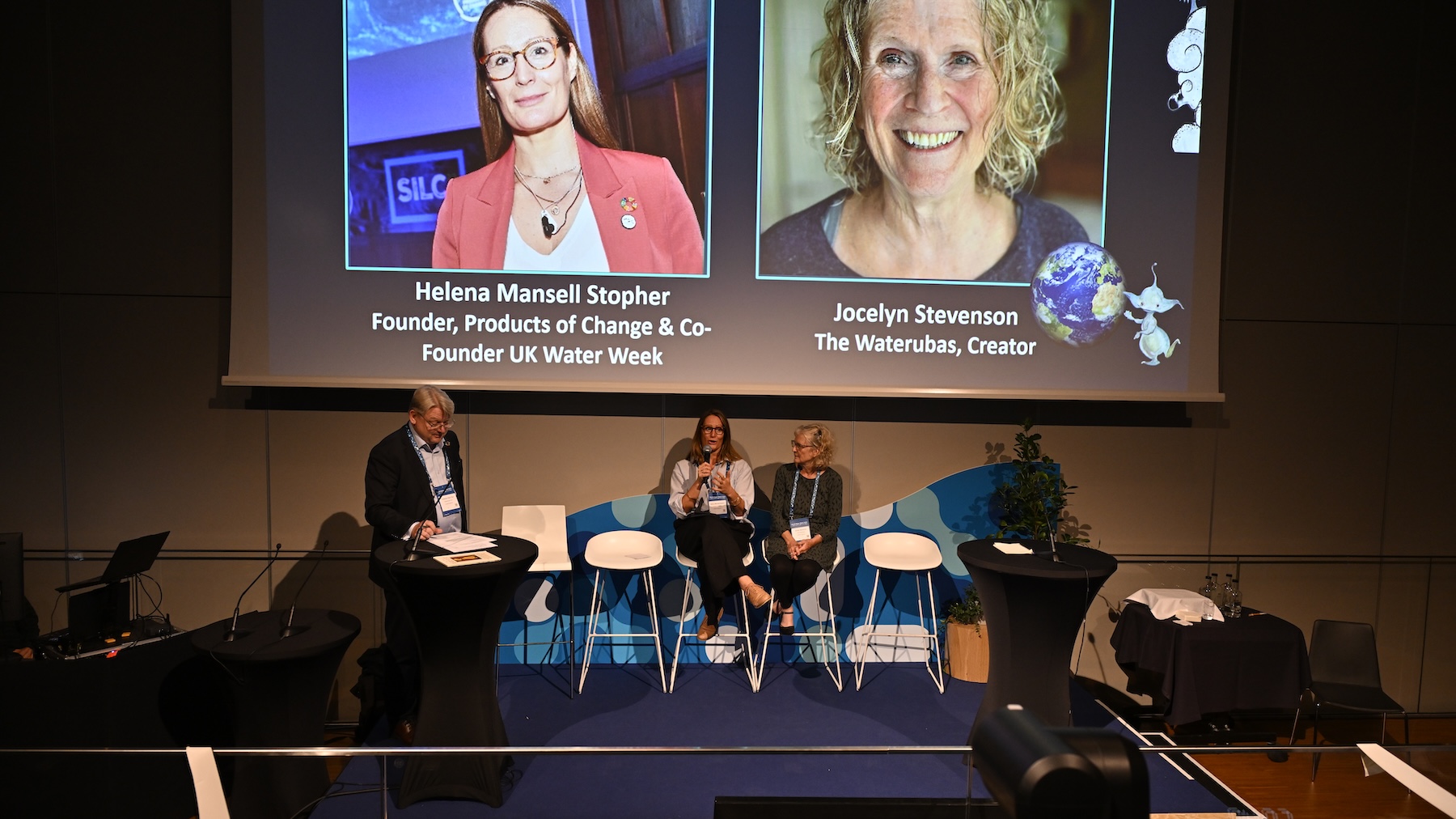
I wasn’t learning to dive on holiday, no, I travelled to Stockholm, one of the most amazing cities I have ever visited, to attend World Water Week, convened by the Stockholm International Water Institute (SIWI).
You might ask: what was Products of Change doing at World Water Week, and what does water have to do with our work?
The answer is: everything.
Water keeps us alive, sustains our natural world and touches every aspect of how industry operate, from the materials we grow and the products we manufacture to the energy we use and the communities within our supply chains; it also keeps us alive….
Yet there is also huge complexity surrounding water, more than I had ever imagined, looking at how it is managed, who has access to clean water, and how control of this life-giving resource is creating geopolitical tension around the world. My mind was blown!
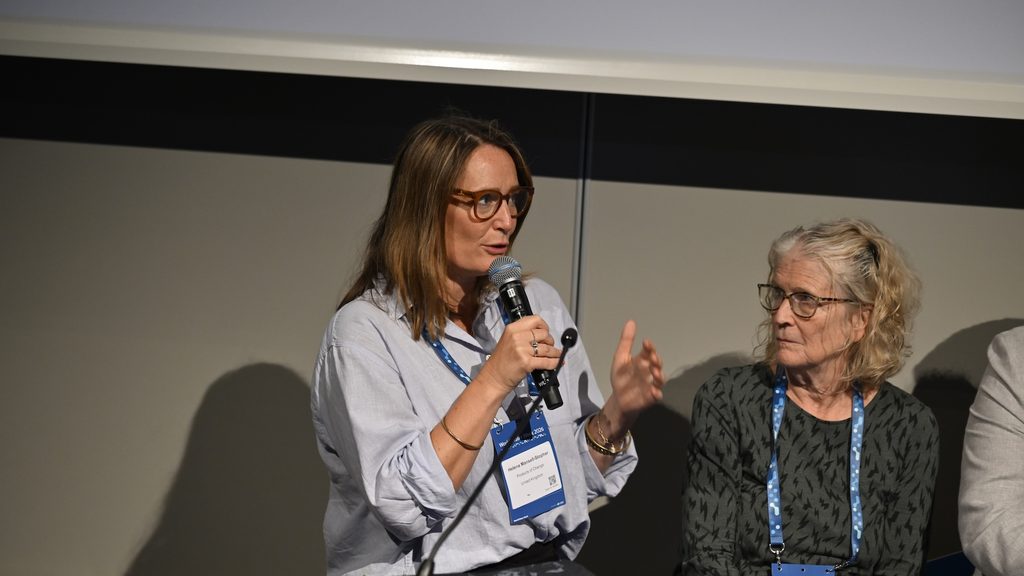
Take the Nile. Ethiopia has built Africa’s largest hydroelectric dam on the Blue Nile, upstream from Sudan and Egypt. Ethiopia sees the dam as essential for generating electricity and supporting economic development. Yet Egypt relies on the Nile for around 90% of its freshwater and fears the impact that reduced or unpredictable flows could have, particularly during prolonged drought.
Then there is the Indus River, shared by India and Pakistan. Their water treaty has survived several wars since the 1960s, yet it is now caught within the countries’ wider political dispute. Pakistan depends heavily on the Indus for farming, water, and energy, meaning any possibility of upstream flows being restricted is treated as a matter of national security.
Similar tensions exist between Türkiye, Syria and Iraq; China, India and Bangladesh; and across the Mekong River in Southeast Asia. Who knew just how many of the world’s political relationships were also shaped by water?
We are also seeing climate change reshape global trade. Russia and China are expanding their use of the Northern Sea Route through Arctic waters along Russia’s northern coastline. As sea ice retreats, this “Polar Silk Road” is becoming increasingly accessible, creating new commercial opportunities, but also further environmental and geopolitical risk. When I worked at National Geographic I remember reading an issue titled ‘The Next Cold War’ about this very subject and that was seven years ago.
All of this is happening while we are getting on with the daily challenge of running our businesses. Yet these issues are not separate from industry, they affect our materials, energy, supply chains, communities and long-term resilience and, ultimately, they affect every one of us.
This is why POC was in Stockholm.
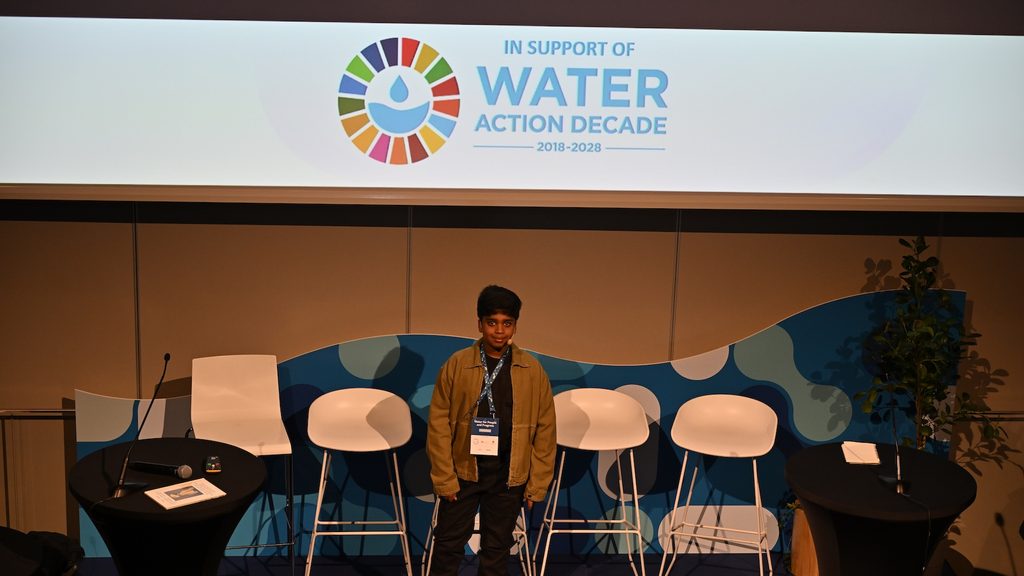
We are partnering with the brilliant team at Wastebuster, who we already work with for the Recycle to Read campaign, to help build a new impact campaign connecting industry, non-profits, scientists and schools.
Together, we want to increase understanding of why water must be protected and explore how industry can help manage this precious resource differently.
Aneeshwar Kunchala, 11 year-old conservationist and TV presenter, opened our call to action by challenging us to build the systems that will protect our future. And that is exactly what we now need to do, together.
The plan has not been written. This is an open invitation to industry, and to everyone who cares about our shared future, to help us shape it.
You can discover more at water-week.org. If you would like to join us on this journey, please email the POC team at hello@productsofchange.com.
We very much look forward to sharing more as this important work develops and can’t wait to see what we can achieve together, as we build this work over the coming months.
Have a super weekend,
Helena and Team POC